Maintaining a sturdy and reliable roof is crucial for every homeowner in Seven Hills. The local climate with its occasional severe weather can cause significant wear and tear on your roofing structure over time. Roof rebedding and repointing are vital maintenance tasks that help protect your home from potential damage and ensure longevity.
Understanding Roof Rebedding and Repointing: What Are They?
Roof rebedding and repointing are essential maintenance activities that help preserve the integrity and appearance of tiled roofs. Rebedding is the process of removing and replacing the old, deteriorated bedding mortar that holds the roof tiles in place. Over time, this mortar can crack and weaken due to weather exposure, which can lead to loose or displaced tiles.
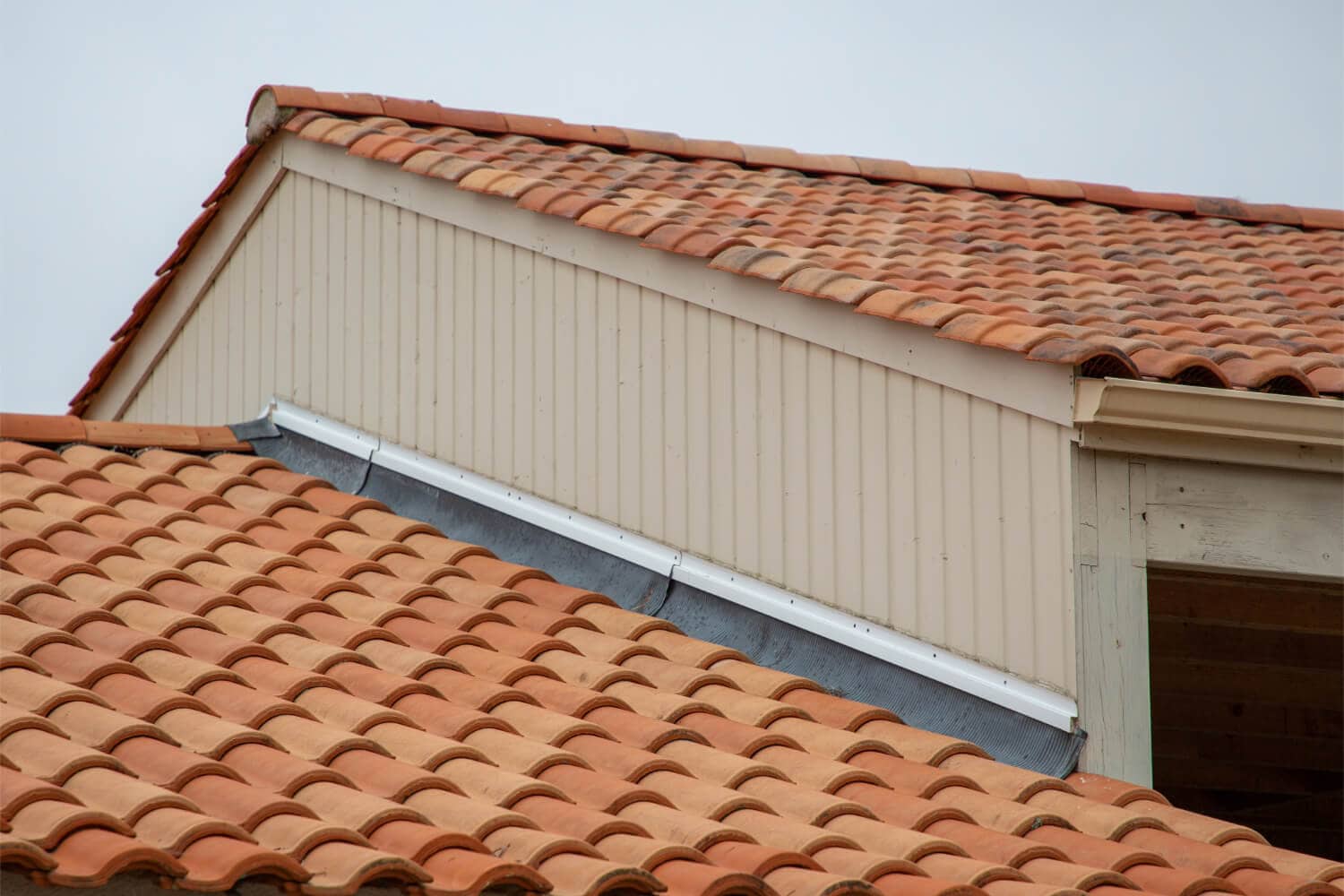
Repointing, on the other hand, involves renewing the outer layer of the mortar joints between the roof tiles. This process ensures that the tiles are secure and that the roof remains watertight. Both rebedding and repointing are crucial for preventing water infiltration and extending the lifespan of your roof. Regular maintenance of these elements can help you avoid more costly repairs in the future.
Why Seven Hills Homes Benefit from Regular Roof Rebedding and Repointing
Homes in Seven Hills can experience a variety of weather conditions, from heavy rain to intense sun, making regular roof maintenance vital. Ensuring that your roof is properly rebedded and repointed helps prevent water damage and mould growth, which can occur when water seeps through gaps in the roof tiles.
Regular roof rebedding and repointing can also improve the overall appearance of your home. A well-maintained roof enhances curb appeal, making your property look more attractive. Furthermore, it increases the value of your home should you decide to sell in the future. By investing in regular roof maintenance, you safeguard your home against structural damage and ensure it remains in excellent condition for years to come.
Steps Involved in Our Roof Rebedding and Repointing Process
Rebedding and repointing your roof is a meticulous process that we handle with utmost care to ensure durability and effectiveness. Here are the steps we follow to keep your Seven Hills roof in top shape:
- Inspection and Assessment: We start with a thorough inspection of your roof to identify areas that need attention. This helps us determine the extent of the damage and the specific needs for rebedding and repointing.
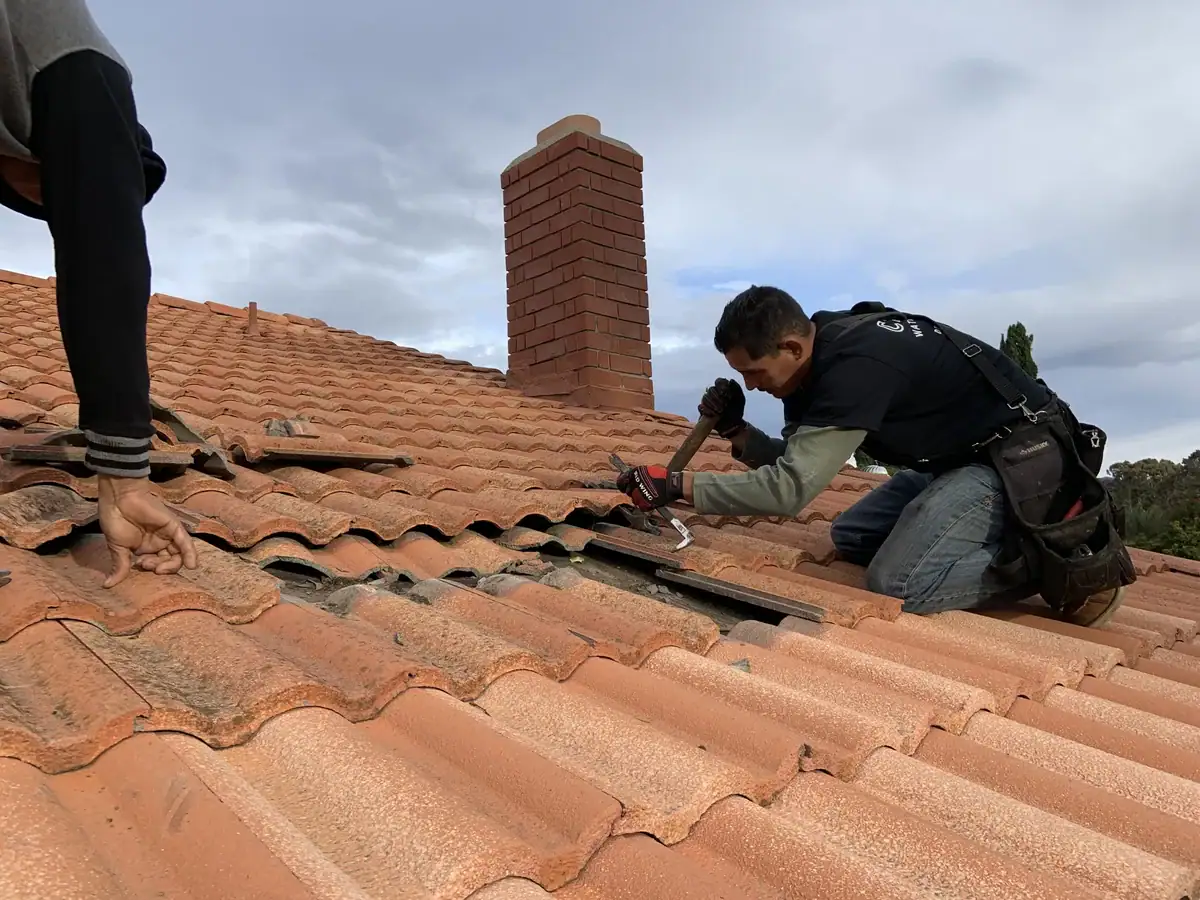
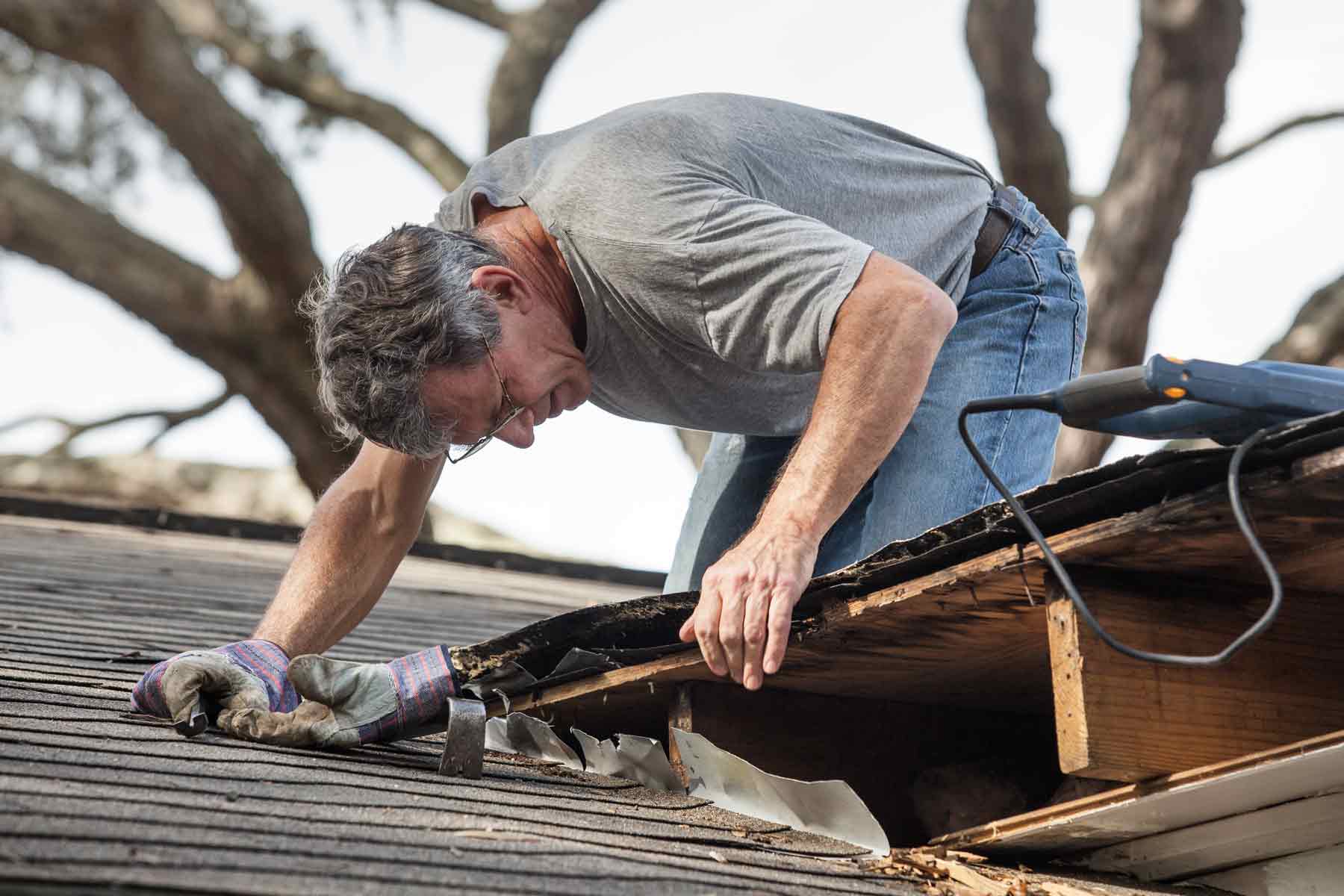
- Preparation: Next, we prepare the area by removing broken or damaged tiles and cleaning the sites to ensure a strong bond for the new mortar.
- Rebedding: The old mortar is removed, and a fresh bedding layer is applied to hold the roof tiles securely in place. This base layer forms the foundation for the repointing process.
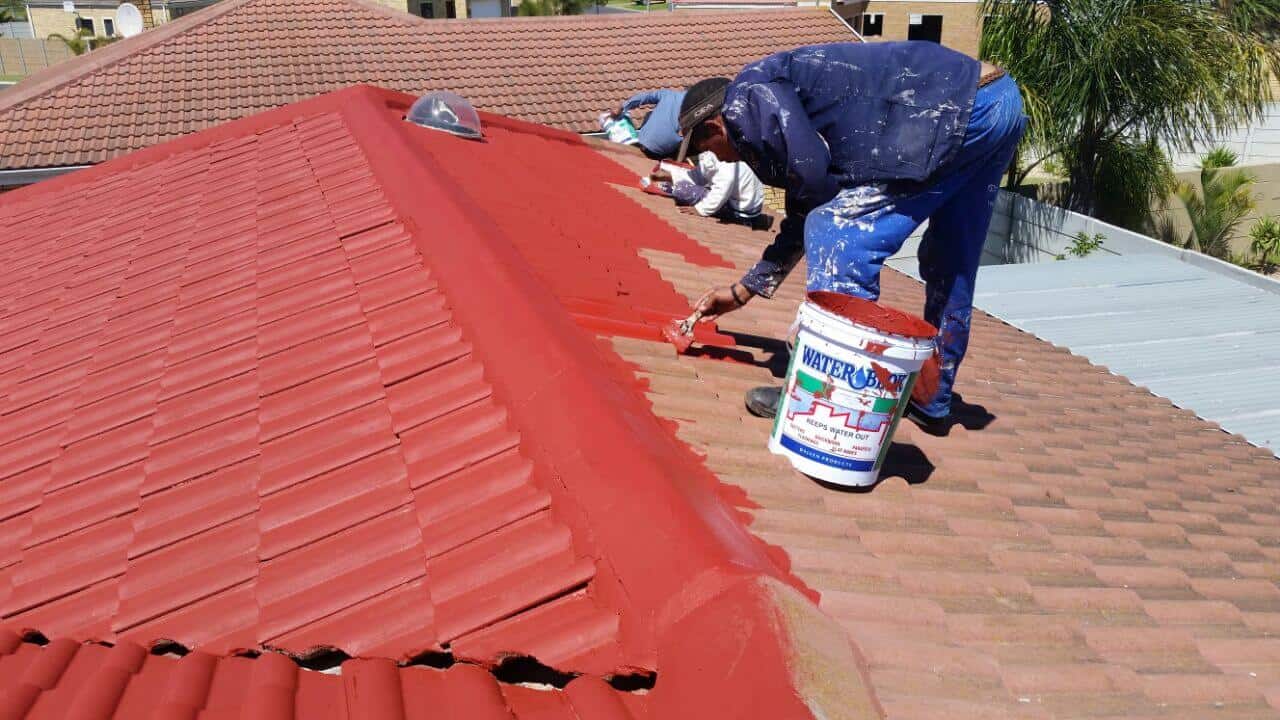
- Repointing: After the bedding mortar has set, we apply a new layer of pointing mortar to seal the joints between the roof tiles, ensuring they are watertight and protected against the elements.
- Final Inspection: Finally, we conduct a detailed inspection to ensure that every tile is securely in place and that the new mortar is properly set, providing a strong and lasting finish.
Each step is crucial for maintaining the structural integrity of your roof and ensuring that your home is well-protected from weather damage.
Key Signs Your Seven Hills Roof Needs Rebedding and Repointing
Keeping an eye on your roof can help you spot issues early and arrange for necessary repairs before they escalate. Here are some key signs that your Seven Hills roof may need rebedding and repointing:
- Cracked or Loose Tiles: If you notice visible cracks or loose tiles on your roof, it’s a clear indicator that the mortar has deteriorated and needs attention.
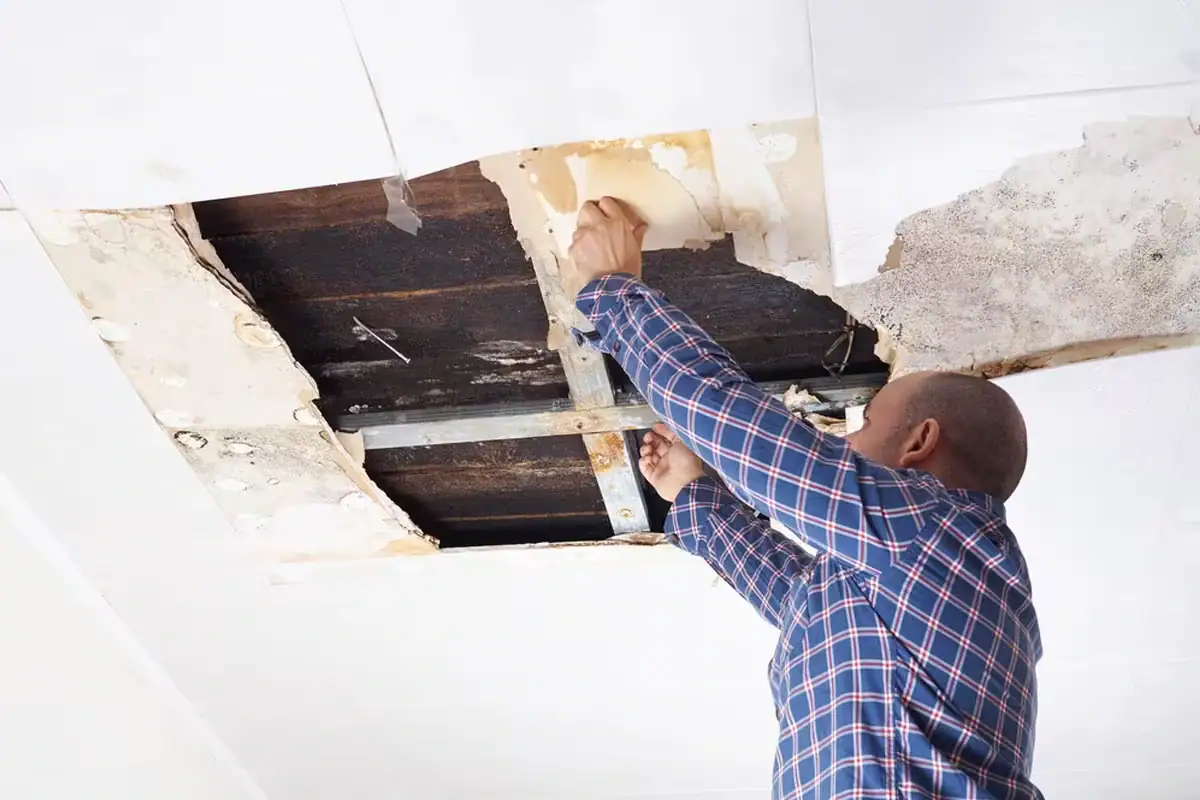
- Water Leaks: Water stains on your ceiling or walls inside your home can signify that water is seeping through gaps in the roof tiles, often due to faulty mortar.
- Dislodged Ridge Caps: Ridge caps that appear out of place or have fallen off entirely suggest that the bedding mortar has failed and needs replacement.
- Moss or Lichen Growth: While some moss and lichen on your roof is normal, excessive growth can lift tiles and allow water to penetrate, which might indicate that repointing is necessary.
Conclusion
Regular maintenance like roof rebedding and repointing is essential for protecting your home in Seven Hills from weather-related damage. By addressing issues early and following a thorough process, we can help you extend the life of your roof and keep your home safe and dry. Understanding the key signs that your roof needs attention allows you to act quickly, preventing costly repairs and ensuring your home remains in optimal condition.
If you’ve noticed any signs that you might need roof rebedding or repointing, or if it’s been a while since your last roof maintenance, it’s time to take action. Contact Topnotch Restorations today to schedule an inspection and see how we can help keep your roof in top shape. Don’t wait until it’s too late—let us provide the expert care your Seven Hills home deserves!