When it comes to keeping your home’s crown (the roof) looking and performing its best, the debate between brute force and gentle care often heats up. Picture this: a battle of cleaning titans, one using a high-pressure water cannon and the other a delicate mist of cleaning brew. Which one wins? As someone who’s hosed down everything from dusty decks to grimy driveways, I can tell you – the choice isn’t one-size-fits-all.
It depends on your roof material, what’s growing on it, and even the quirks of Parramatta’s weather. Ready to dive in? For example, if you Google power wash roof cleaning, you’ll see it’s often touted as the quick fix for grimy shingles. But appearances can be deceiving; many local experts urge caution when resorting to power wash roof cleaning on delicate roofs.
What is Power Washing?
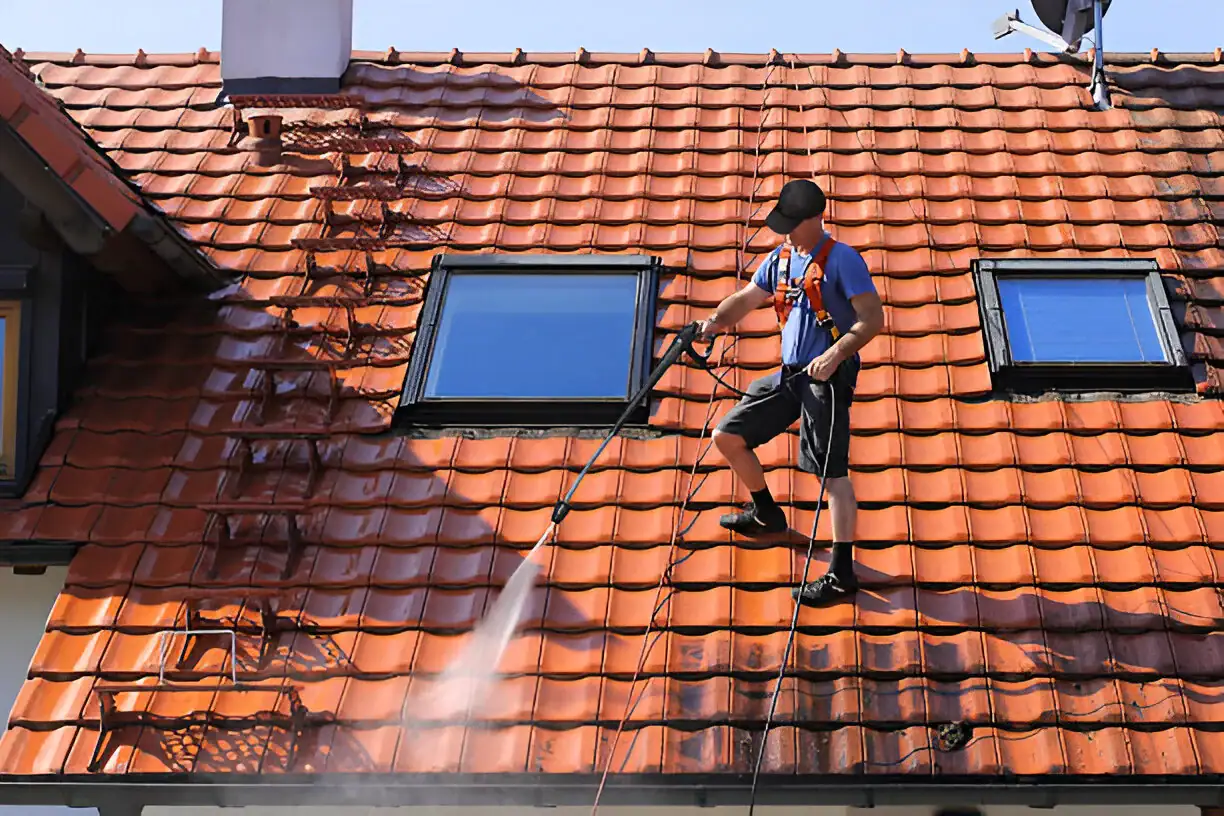
Power washing (also called pressure washing) is like bringing a firehose to a dust buster competition. It blasts a stream of water at around 1,300–3,100 PSI through a special nozzle. This brute force power wash roof cleaning can remove years of grime, moss, and algae on contact. Concrete driveways, brick walls, and other hard surfaces love this treatment because it turns them practically new again.
However, not all surfaces are built for this kind of assault. In fact, for delicate roof materials like tile or shingles, it’s often safer to opt for High Pressure Roof Cleaning done professionally, where trained technicians know how to control the force and angle for best results without causing damage.
- Deep Cleaning Power: Pressure washing – often called power wash roof cleaning – can scour off the toughest stains and deposits (think oil spills or ground-in dirt). It’s the solution for stubborn jobs.
- Speed and Efficiency: High pressure means you can cover a large area quickly. After only a few passes, surfaces look dramatically cleaner.
- Handle-With-Care: For delicate roofing materials like asphalt shingles or some tiles, high pressure can lift edges, strip coatings, or even crack tiles. One accidental overspray can strip years of paint or grout.
Fun (and cautionary) anecdote: I once aimed a pressure washer at a flaky roof tile during a test clean – the tile shot off like a frisbee! Yikes. So while power washing delivers instant wow-effects, it carries a real risk. Pros often dial down the pressure or change to a wider spray nozzle to mitigate damage. If you’re thinking of DIY, start on a low setting and test a tiny patch first.
What is Soft Washing?
Soft washing is more like a spa day for your roof than a high-pressure car wash. It uses low pressure (around 150–300 PSI) plus special cleaning solutions (often bleach, surfactants, and algaecides) that break down grime chemically. This method gently cleans without blasting surfaces apart. In fact, this approach underscores why simply using power wash roof cleaning isn’t always the best solution for delicate roofs: brute pressure can strip coatings and embed water under tiles, whereas soft washing preserves the surface.
- Gentle on Materials: Soft washing is ideal for delicate roofs (like older asphalt shingles, terracotta tiles, or painted metal). It won’t peel off coating or loosen tiles the way power wash roof cleaning might.
- Kills the Organics: The cleaning solution actually kills moss, algae and lichen so they don’t just rinse away – they get eliminated at the root. This means much slower regrowth.
- Long-lasting Clean: Because it eradicates the source of stains, soft-washed roofs often stay cleaner 4–6 times longer than ones simply pressure-washed.
- Eco-friendly Ingredients: Most soft wash formulas are biodegradable. You still should protect plants and pets from runoff, but modern formulas minimise harm.
I had a neighbour whose roof looked like it belonged in the Jurassic era – thick green moss everywhere. We soft washed it, and the difference was amazing. It smelled faintly of pool chlorine, but when the washing stopped, her tiles were intact and actually clean, not just superficially rinsed. Meanwhile, my shed roof that only got a quick high-pressure rinse grew new algae within weeks. Seeing is believing!
Power Wash vs Soft Wash: A Comparison
Let’s cut to the chase with a quick comparison table. It highlights the main differences between soft washing and pressure (power) washing:
| Characteristic | Soft Washing | Pressure Washing |
|---|---|---|
| Pressure (PSI) | ~150–300 (low pressure) | ~1,300–3,100 (high pressure) |
| Cleaning Method | Biodegradable cleaning solution + gentle spray | High-velocity water (sometimes with detergent) |
| Best For | Delicate surfaces (shingles, tiles, siding) | Sturdy surfaces (concrete, brick, metal) |
| Benefits | Kills mold/moss at source, gentle on roof, lasting results | Blasts off heavy grime quickly, great for tough stains |
| Risks/Drawbacks | Slower process, needs correct chemicals | Can strip paint/grout, crack tiles if misused |
This table shows it plainly: Soft washing works more like a chemical treatment, while power washing is brute force. If your roof is up for it, a pressure wash can look like magic (instant sparkle!), but soft washing wins for actual roof care and longevity.
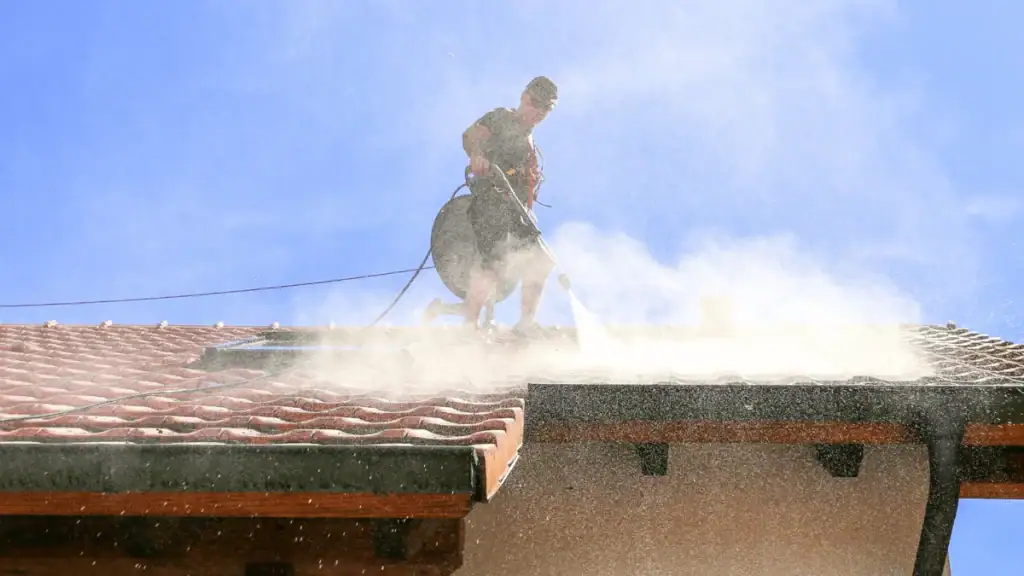
Pressure washing can blast away built-up grime on hard surfaces but may damage softer roof materials if misused. Think of soft washing as a slow cooker recipe: it takes longer, but the results are rich and lasting. Pressure washing is the microwave dinner – fast and impressive, but sometimes not the healthiest option for delicate ingredients.
Which Is Better for Your Roof?
So if you’ve been flipping a coin on power wash roof cleaning vs soft wash, keep reading. In Parramatta (and all of Australia), roofs come in many flavours: terracotta tiles, concrete tiles, Colorbond steel, and even old-school slate. The right choice depends on your roof type and condition:
- Terracotta/Concrete Tiles: These look great but can be brittle. Start with soft washing to zap moss, then rinse gently. If stains persist, a low-pressure rinse might help. Excessive pressure is risky.
- Colorbond/Metal Roofs: Tough and made for Aussie sun, they can take a firmer spray. A medium-pressure wash usually does the trick, but even here, a pre-treatment with cleaner (like a light soft wash) can extend the paint’s lifespan.
- Asphalt Shingles: These love laying quietly – not a death metal concert from a pressure washer. Soft washing is strongly recommended to avoid stripping granules.
- Slate Tiles: Natural slate is pretty fragile. Stick to soft washing exclusively.
- Other Areas (Driveways, Decks, Paths): While not roofs, these surfaces often handle power washing brilliantly (like the concrete patio below), making your whole property shine.
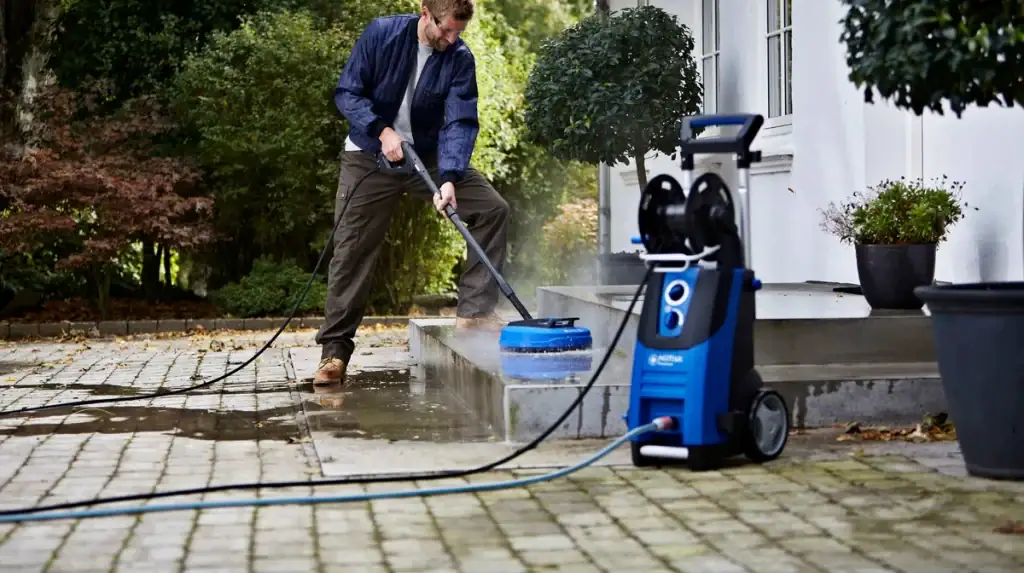
Hard surfaces like driveways benefit most from power washing. Always keep this in mind: pressure washing is king for driveways and patios – but on your roof, you still need to be careful. Pressure washing excels on durable surfaces – on your roof, pick your target carefully! Always test on a small patch if you decide to use high pressure on roofing materials.
If you’ve got heavy moss or algae, lean towards soft washing first (it takes care of the living stuff). If you’re just trying to remove dust and non-organic grime, a power wash might do the job faster. And remember, roof warranties sometimes forbid high-pressure cleaning exactly because of damage risk. When in doubt, go gentle or hire a pro.
Safety and Regulations
Hold on – before you gear up and spritz your roof, remember that safety comes first. In Australia, any work on a roof is considered construction work, and strict rules apply. For example, Safe Work Australia’s guidelines remind us to identify hazards and eliminate or minimise risks before stepping anywhere near the roof edge.
- Use Safety Gear: Always wear a harness and anchor line. Don’t walk directly on tiles – use roof ladders or walk on the battens. Non-slip shoes are a must.
- Check Conditions: Wind, rain, or heat can turn a ladder into a lawn dart. Work when it’s calm and cooler.
- Ladder Safety: Secure it on stable ground, and never overreach. Simple rules like this save lives.
- Mind the Power Lines: Keep clear of any overhead cables. Water + electricity = very bad idea.
- Chemical Caution: Even though soft-wash solutions are biodegradable, avoid spraying plants or pets. Cover nearby vegetation if needed, and rinse carefully.
- Local Rules: Some councils (even Parramatta) have rules on roof cleaning. For instance, don’t let bleach-laden water flood gutters or stormwater drains. When in doubt, talk to a local pro who knows the regulations.
- Getting Pro Help: Professional cleaners know the ropes and carry insurance. If anything feels risky, it’s worth spending a few extra bucks to avoid accidents or fines.
Even if you stick with power wash roof cleaning, you must plan and protect yourself. Remember: Safe Work Australia stresses planning and precautions before any roof job. A spotless roof isn’t worth a hospital trip or a fine.
Conclusion
So, what’s better – power wash roof cleaning or soft washing? It really depends on context. For many Aussie roofs, the smart money’s on soft washing: it’s effective, lasts longer, and treats the real problem (the gunk’s roots). But power washing isn’t useless – think of it as the specialist weapon for when your tiles or concrete can handle it, or for cleaning driveways and paths alongside your roof.
Power wash roof cleaning blasts away a lot quickly, but soft washing often gives you a longer-lasting clean. For Parramatta homes, be pragmatic: use the gentler soft wash on your house roof to preserve materials, and reserve the pressure cannon for sturdy surfaces. Consult a knowledgeable pro if you’re unsure; they’ll assess your roof’s needs and recommend the safest method.
By now you’ve probably lost count of how many times we mentioned power wash roof cleaning – that’s on purpose. Just remember, your roof is a long-term investment. Keep it maintained and safe – don’t let stubborn dirt or moss turn into a costly repair later. Take a good look at your roof today. If it’s been awhile (or ever) since its last clean, maybe it’s time to weigh your options.
FAQs
Is power wash roof cleaning safe for all roof types?
Not always. High-pressure cleaning can damage fragile roofing materials like terracotta tiles or asphalt shingles. For older or delicate roofs, soft washing is usually the safer choice.
Which method lasts longer – power wash or soft wash?
Soft washing typically lasts longer. Because it kills mould, algae, and lichen at the root, it slows down regrowth. Power washing only removes surface-level grime, so stains and growths can return more quickly.
Can I soft wash my roof myself?
Technically, yes – but it involves handling chemical solutions and working at height. It’s safer and often more effective to let a licensed professional handle it, especially if you’re not experienced with roof work.
How often should I clean my roof in Parramatta?
Every 2 to 3 years is a good rule of thumb for most homes, but if your roof is shaded, under trees, or prone to moss growth, you may need to clean it more frequently. Regular inspections help catch grime early before it becomes a bigger issue.
At the end of the day, a clean roof lasts longer and keeps your home looking sharp. Whether you choose the sledgehammer approach (power wash) or the scalpel approach (soft wash), do it smartly and safely. Your shiny, algae-free roof – and your future self – will thank you.
Sources: Insights and data in this article come from industry guidelines and expert cleaning resources, ensuring you get reliable, up-to-date advice for roof cleaning.