Your roof is more than just a shield from the elements—it’s a defining feature of your home’s aesthetic and energy efficiency. At Topnotch Restorations, we frequently hear homeowners ask, “Is painting a roof really worth it?” The answer depends on various factors, including your roof’s material, condition, and goals for your home. In this blog, we’ll delve into the advantages, disadvantages, and key considerations to help you decide if roof painting is the right choice for your property.
What is Roof Painting?
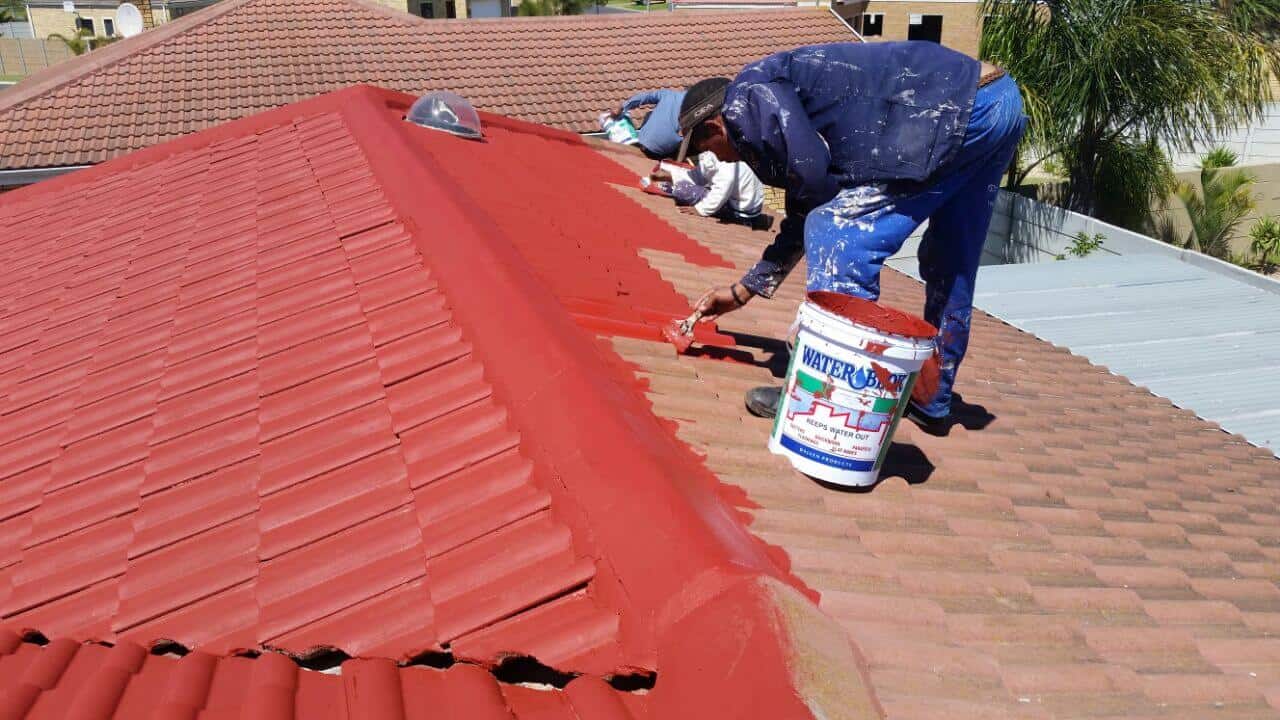
Roof painting involves applying a specially formulated protective coating to the surface of your roof. While many assume this process is purely cosmetic, it actually serves a more significant purpose. Roof painting can help protect against environmental damage, including harsh UV rays, rain, wind, and debris, and in some cases, enhance energy efficiency.
The type of paint used in roof painting is critical. High-quality roof coatings are designed to adhere to specific materials, resist peeling or fading, and even reflect sunlight to reduce heat absorption. This makes roof painting a valuable solution for maintaining your home’s integrity and comfort.
The Benefits of Roof Painting
Roof painting offers an impressive range of benefits, making it a popular choice for homeowners looking to maintain or upgrade their properties:
1. Boosts Curb Appeal
A freshly painted roof can transform the look of your home, giving it a clean, modern appearance. This can be particularly beneficial if you’re planning to sell, as a well-maintained roof enhances the property’s overall value and appeal to buyers.
2. Adds a Protective Layer
Over time, roofs are exposed to harsh elements, including intense sun, heavy rainfall, and strong winds. Roof paint acts as an extra barrier against these forces, preventing premature wear and tear. This layer of protection can help extend the lifespan of your roof, saving you money on costly repairs or replacements.
3. Improves Energy Efficiency
Certain roof paints, particularly those with reflective properties, can significantly reduce heat absorption. This keeps your home cooler in summer, reducing the strain on your air conditioning system and lowering energy bills. Lighter-colored roof paints, in particular, are highly effective in reflecting sunlight and minimising heat transfer.
4. Cost-Effective Alternative to Replacement
If your roof is structurally sound but looks worn or outdated, painting is a budget-friendly alternative to a complete replacement. This approach can breathe new life into your roof without the extensive cost or disruption of a full roof overhaul.
5. Prevents Algae and Mould Growth
In humid or wet climates, roofs are prone to algae, mould, and mildew. High-quality roof coatings often contain anti-fungal or anti-mould properties, preventing these unsightly and potentially damaging growths from taking hold.
The Drawbacks of Roof Painting
While the benefits of roof painting are undeniable, it’s essential to consider the potential downsides before making a decision.
1. Upfront Costs
Roof painting requires a significant initial investment, especially if you opt for professional services and premium materials. However, this cost is often outweighed by the long-term savings on maintenance, energy bills, and extended roof lifespan.
2. Maintenance Requirements
Like any home improvement project, roof painting requires regular upkeep to maintain its effectiveness. Over time, the paint may fade, peel, or chip due to weather exposure. Periodic touch-ups or recoating may be necessary, adding to the overall cost.
3. Material and Condition Limitations
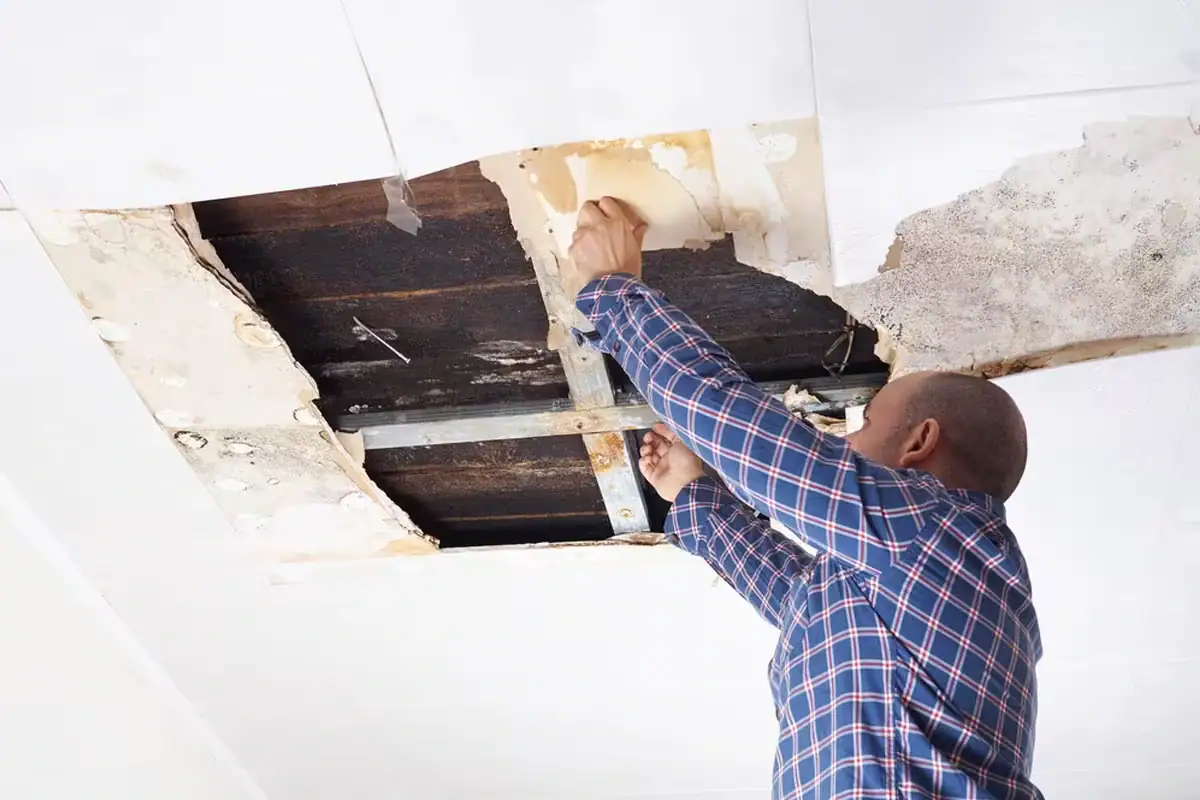
Not all roofs are suitable for painting. For example, roofs with extensive damage or made from materials that don’t bond well with paint (such as certain metals) may not benefit from painting. In such cases, repairs or alternative treatments might be a better option.
Factors to Consider Before Painting Your Roof
Making the decision to paint your roof requires careful evaluation of several factors. Here’s what you should keep in mind:
1. Roof Material and Condition
The type of roofing material plays a significant role in determining whether painting is viable. Terracotta, metal, and concrete tiles are commonly painted, while some materials, like slate or wood shingles, may not be compatible. Additionally, the condition of your roof matters—if your roof has significant damage, it may need repairs before painting.
2. Climate and Environmental Factors
Your local climate should influence your choice of roof paint. For instance, in areas with intense heat and sunlight, reflective coatings can make a noticeable difference in temperature regulation. In wetter climates, opt for paints with anti-mould and waterproofing properties.
3. Budget Considerations
Evaluate the costs associated with roof painting and compare them to alternative solutions, such as repairs or replacement. While roof painting has upfront costs, its long-term benefits often make it a cost-effective choice.
4. Long-Term Property Goals
Consider your future plans for the property. If you plan to sell, a freshly painted roof can enhance its value and appeal. If you intend to stay long-term, roof painting can provide lasting protection and reduce ongoing maintenance needs.
5. Professional Expertise
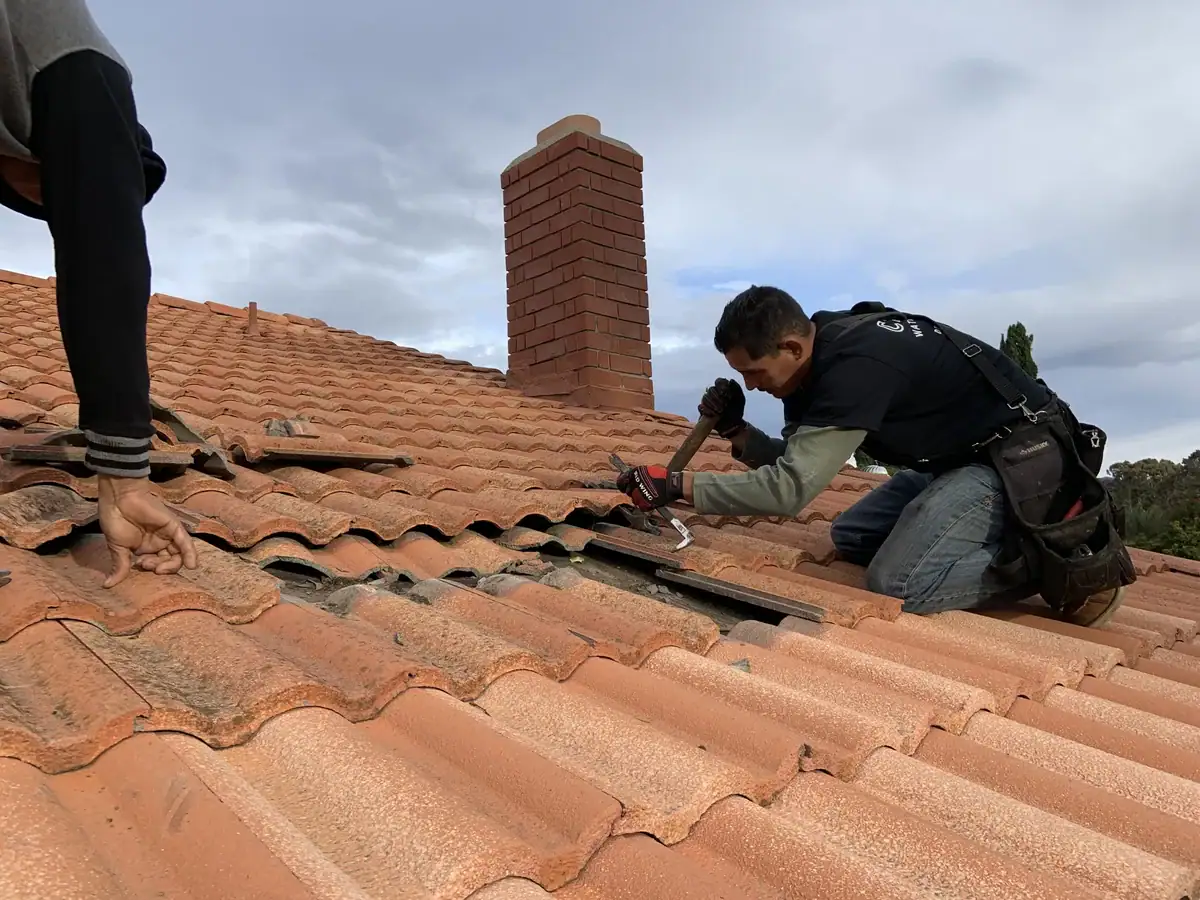
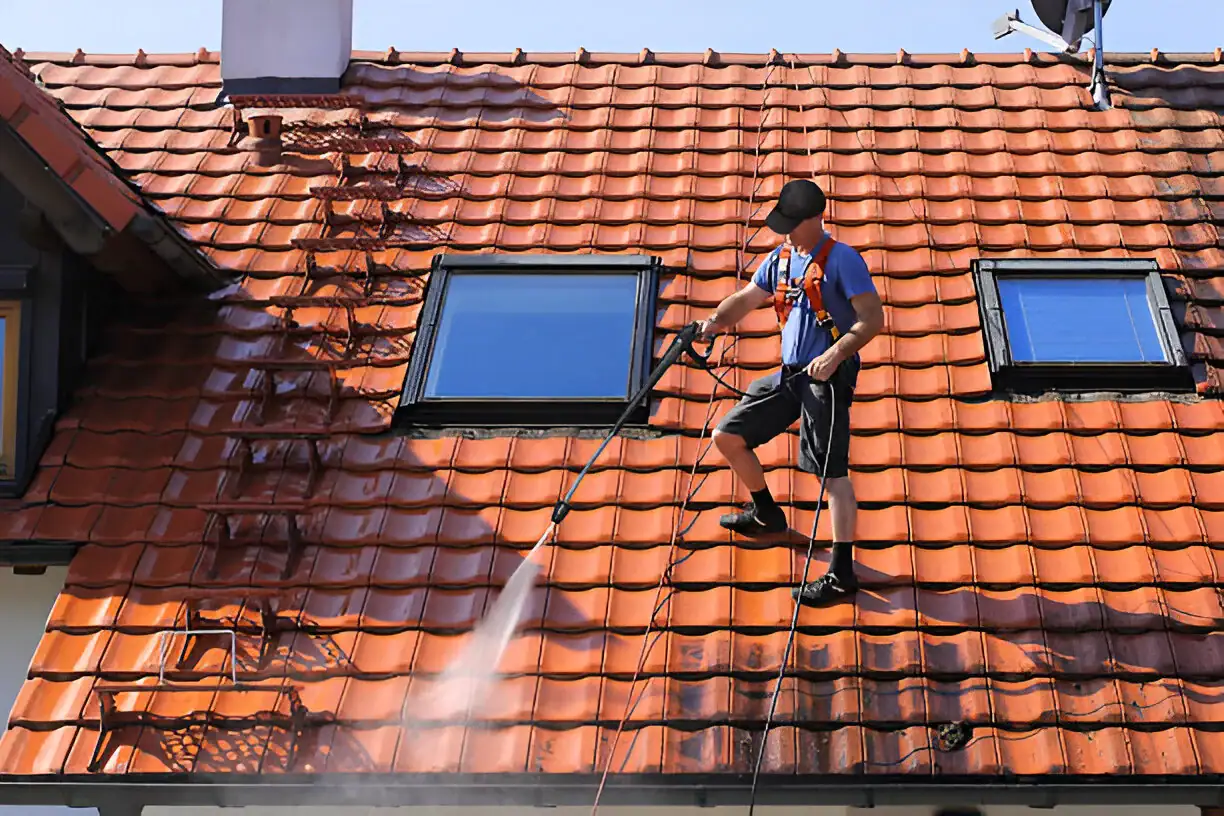
Roof painting is not a DIY project. Proper preparation, including cleaning and priming, is critical for achieving a durable finish. Hiring professionals ensures the job is done safely and effectively, with high-quality materials and equipment.
Common Misconceptions About Roof Painting
Despite its many benefits, roof painting is often met with skepticism. Here are some misconceptions and the truth behind them:
- “Roof painting is purely cosmetic.”
While a fresh coat of paint improves aesthetics, it also provides valuable protection against environmental damage and improves energy efficiency when the right paint is used. - “It doesn’t last long.”
With proper preparation, high-quality materials, and professional application, roof painting can deliver results that last for years with minimal maintenance. - “It’s a quick fix for a damaged roof.”
Roof painting is not a substitute for structural repairs. Any damage must be addressed before painting to ensure the roof’s longevity and performance.
Why Choose Topnotch Restorations for Roof Painting?
At Topnotch Restorations, we bring expertise, quality materials, and attention to detail to every project. Our team understands the unique challenges posed by Australian climates and provides tailored solutions that enhance the durability and appearance of your roof.
When you choose us, you’re not just getting a painted roof—you’re investing in a comprehensive restoration process that prioritises your home’s protection and energy efficiency.
Final Thoughts
Roof painting is a practical and aesthetically pleasing way to extend the life of your roof, improve energy efficiency, and boost your home’s value. However, it’s essential to weigh the pros and cons and consult with experts to determine the best solution for your roof.
At Topnotch Restorations, we’re committed to helping homeowners make informed decisions. Whether you’re considering roof painting, repairs, or a complete restoration, we’re here to guide you every step of the way.
Contact us today to schedule a consultation and discover how our services can transform your roof into a durable, energy-efficient, and visually stunning feature of your home.