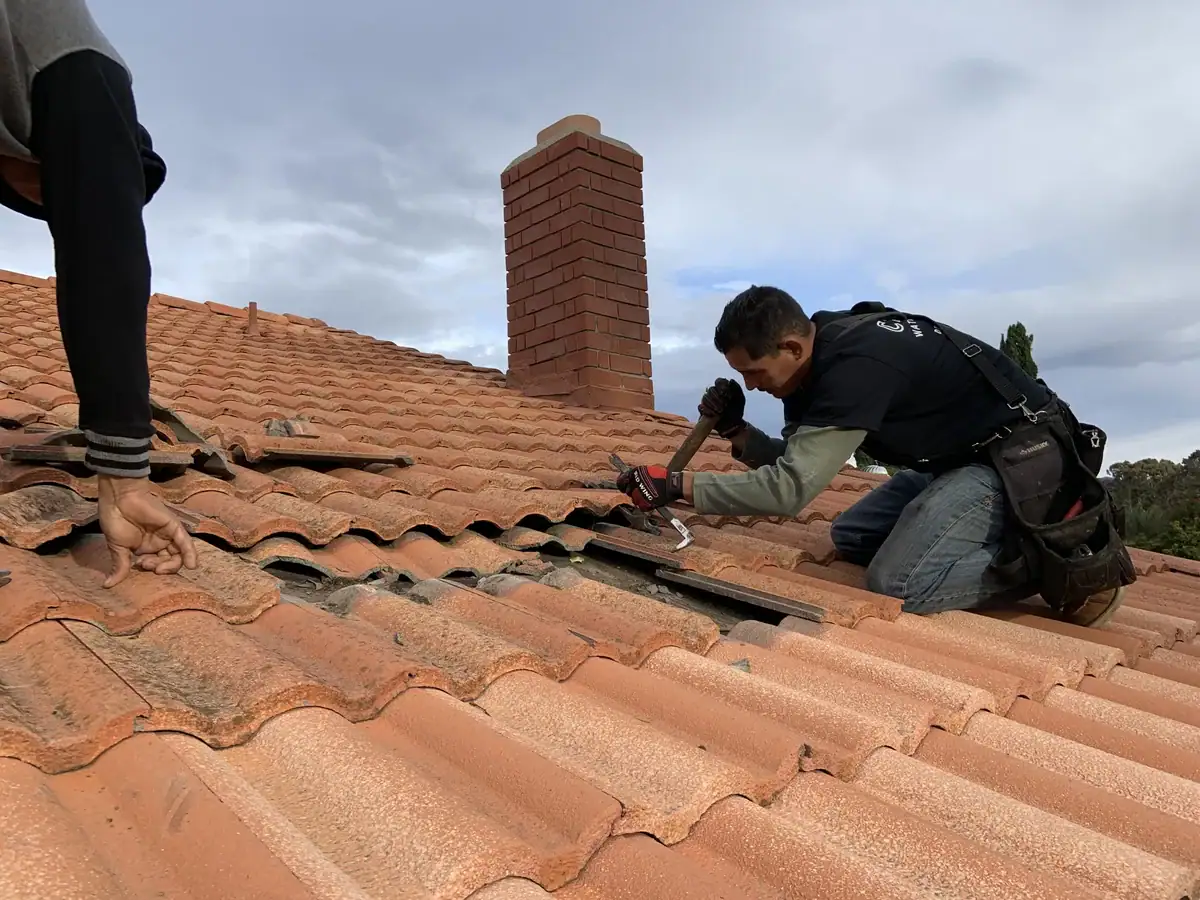
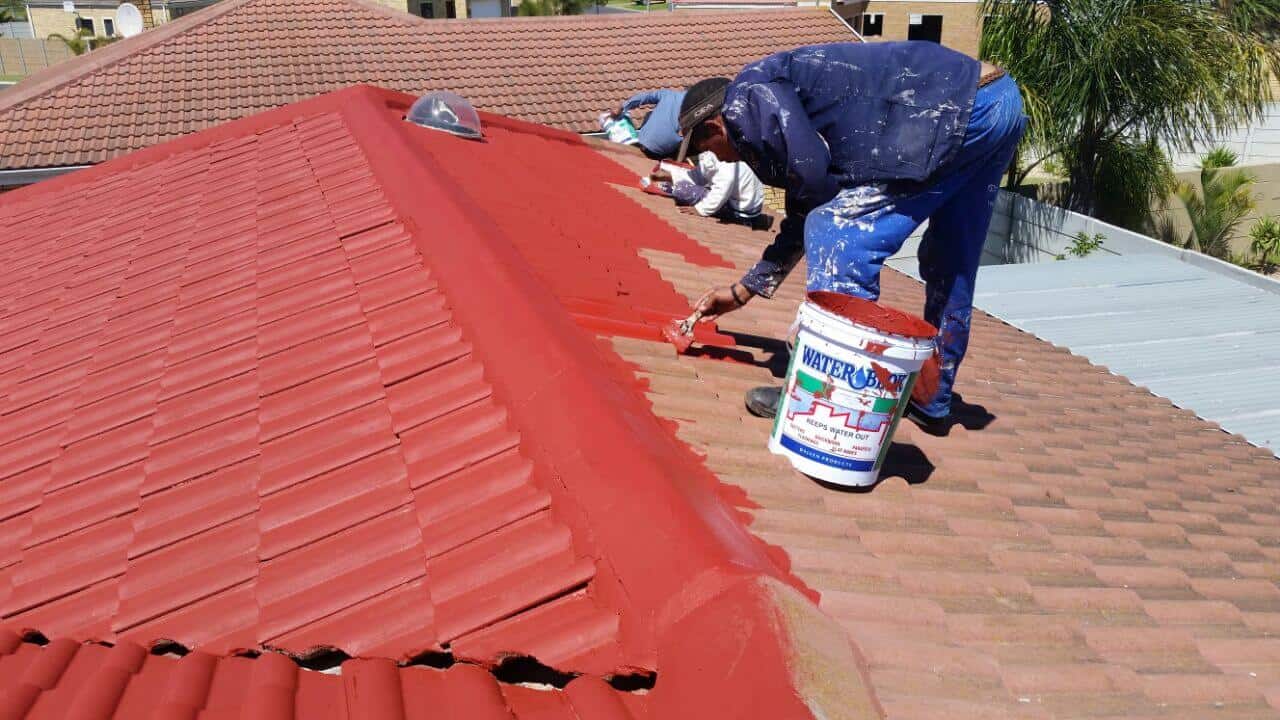
A strong and well-maintained roof is essential for protecting your home from the harsh Australian weather. One often overlooked but critical aspect of roof care is roof flashing. Roof flashing plays a crucial role in guiding water away from important areas, preventing leaks and potential damage. Without proper flashing, even the sturdiest roofs can develop issues over time, leading to expensive repairs.
Living in Winston Hills means dealing with various weather conditions, from heavy rains to hot, sunny days. These conditions can take a toll on your roof. Roof flashing is a simple yet highly effective way to ensure your roof remains in top condition year-round. Whether it’s around chimneys, skylights, or vents, proper flashing keeps water out and extends the life of your roof.
Understanding the importance of roof flashing and knowing where to apply it can save you a lot of trouble. This guide will walk you through the key areas that need roof flashing, the different types of flashing materials available, and tips on choosing the best roof flashing service in Winston Hills. By the end, you’ll have a clear idea of how to keep your roof in excellent shape.
What Is Roof Flashing and Why Is It Important?
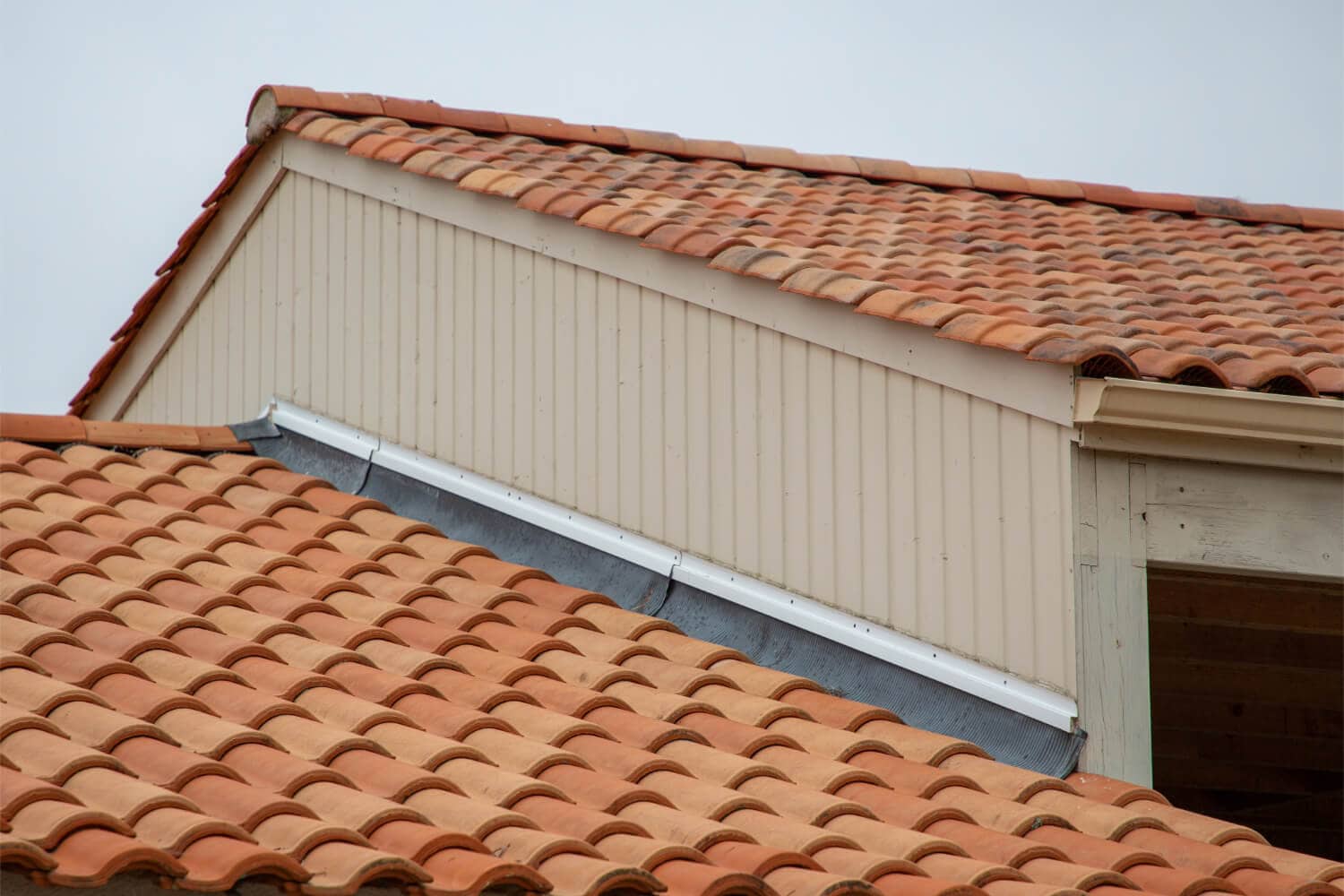
Roof flashing is a thin material, usually made of metal, that is used to guide water away from critical areas of your roof. It’s installed at joints, edges, and any place where the roof surface intersects with other structures, like walls or chimneys. The main purpose of roof flashing is to prevent water from seeping into your home and causing damage.
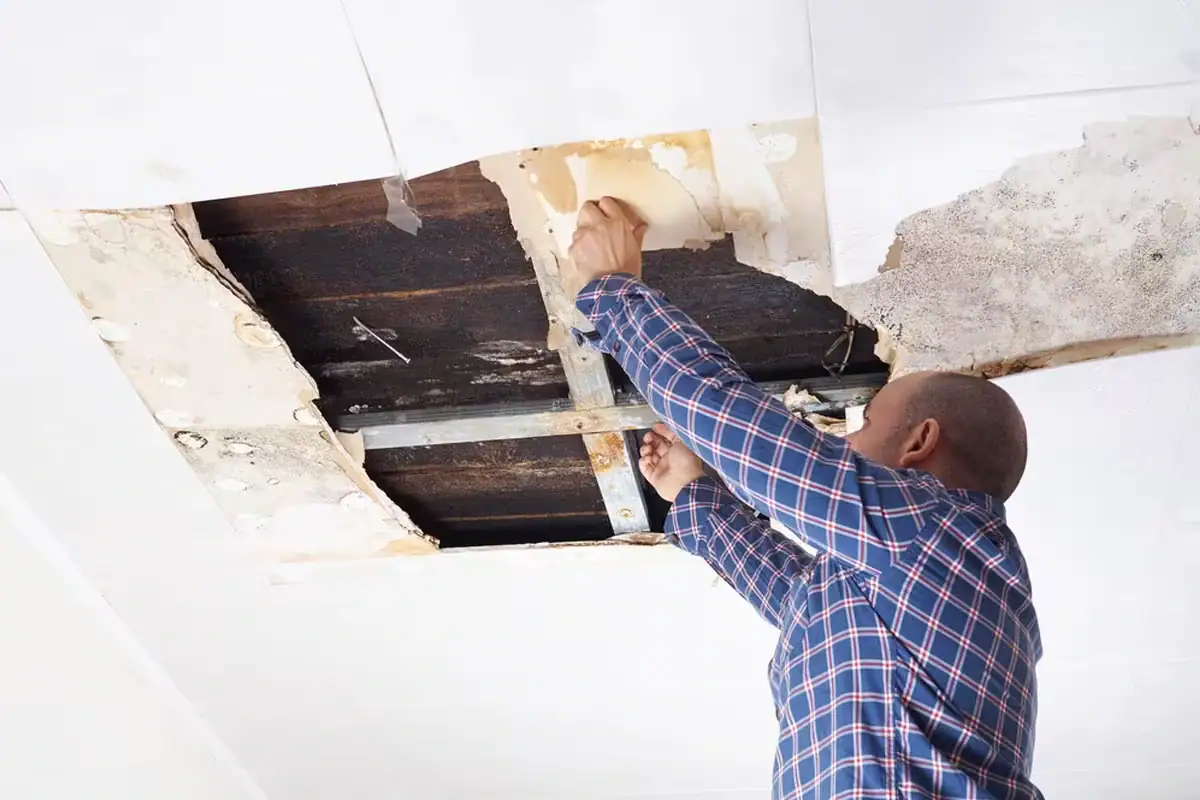
Water infiltration can lead to a range of issues, including mould growth, wood rot, and structural damage. By properly installing roof flashing, you create a durable and watertight seal that helps maintain the integrity of your roof. This keeps your home dry and extends the lifespan of your roofing materials. Good roof flashing is especially important in areas that experience heavy rainfall or extreme weather conditions.
Moreover, roof flashing can help reduce energy costs by maintaining the insulation quality of your home. When water gets under your roofing materials, it can damage the insulation, making your home less energy-efficient. Properly installed flashing keeps your insulation dry and effective, leading to lower heating and cooling bills.
Key Areas of Your Home That Need Roof Flashing
Chimneys
Chimneys are a common spot for leaks because they break up the smooth surface of your roof. Flashing around the base of your chimney is crucial to direct water away and prevent it from seeping into your home. Without proper flashing, water can easily penetrate the gaps and cracks around the chimney, leading to leaks and water damage.
Skylights
Skylights are another area that needs proper flashing. While skylights can brighten up your home, they also create openings in the roof that can let water in. Flashing is installed around the edges of skylights to form a seal that keeps water out. Proper flashing ensures that you can enjoy the benefits of natural light without the risk of water damage.
Valleys
Roof valleys are the areas where two roof slopes meet, forming a V-shape. These valleys can collect a lot of water during rainstorms, making them a common spot for leaks. Flashing in roof valleys helps guide water down towards the gutters and away from the roof structure. This prevents water from pooling and causing leaks in these vulnerable areas.
Vents and Pipes
Vents and pipes sticking out of your roof need flashing too. These elements can create openings where water can enter if they are not properly sealed. Flashing around vents and pipes helps secure these openings and prevent leaks. It’s vital to regularly check and maintain the flashing around these areas to ensure they remain watertight.
By focusing on these key areas and ensuring proper installation and maintenance of roof flashing, you can protect your home from water damage and extend the life of your roof.
Different Types of Roof Flashing Materials
Aluminium Flashing
Aluminium flashing is popular because it is lightweight and easy to work with. It resists rusting, making it a good choice for areas with frequent rain. Aluminium flashing is also affordable, which makes it budget-friendly for many homeowners. However, it can be prone to damage from extreme temperatures and may need to be replaced sooner than other materials.
Copper Flashing
Copper flashing is known for its durability and aesthetic appeal. It is highly resistant to rust and can last for many years. Copper also develops a natural patina over time, which can add a unique look to your home. While copper flashing is more expensive than aluminium, its longevity and appearance often make it worth the investment for many homeowners.
Steel Flashing
Steel flashing, often galvanised, is another strong option. It combines the strength of steel with a zinc coating to prevent rusting. This makes it suitable for various weather conditions and highly durable. Steel flashing can be a bit heavier to install but it provides excellent protection against water infiltration. It is a good middle-ground option in terms of cost and durability.
Lead Flashing
Lead flashing is extremely durable and can last for decades. It is highly malleable, making it easy to shape and fit around complex roof structures. Lead flashing provides excellent protection against water and weather damage. However, it is one of the more expensive options and requires proper handling due to its toxicity. Despite the cost, the long lifespan of lead flashing can make it a worthwhile investment.
How to Choose the Right Roof Flashing Service in Winston Hills
Look for Qualified Professionals
It’s important to choose a roofing service with experienced and qualified professionals. Look for companies that have a strong reputation and have been in business for several years. Experienced professionals will know how to handle different types of flashing materials and can install them correctly to ensure long-term protection for your home.
Assess the Materials Used
Ensure that the roofing service uses high-quality materials. The durability of your roof flashing largely depends on the materials used. Ask the service provider what types of flashing materials they offer and why they recommend them. This can help you understand the quality you are getting and make a more informed decision.
Verify Customer Reviews
Customer reviews and testimonials can provide valuable insights into the quality of service a company offers. Look for reviews that mention the professionalism, reliability, and quality of work. Positive feedback from other homeowners in Winston Hills can give you confidence that you are choosing the right service.
Request a Comprehensive Quote
Before making a decision, request a detailed quote from the roofing service. This quote should include a breakdown of all costs, from materials to labour. A comprehensive quote can help you avoid unexpected expenses and ensure that you are getting good value for your investment. Comparing quotes from a few different services can also help you find the best deal.
Conclusion
Roof flashing is an essential part of maintaining a healthy and durable roof for your home in Winston Hills. From chimneys to skylights, valleys, and vents, ensuring these key areas are properly protected can prevent costly water damage. Understanding the different types of flashing materials, like aluminium, copper, steel, and lead, can help you choose the best option for your needs.
Selecting a trustworthy roof flashing service is crucial. By looking for qualified professionals, assessing the materials used, verifying customer reviews, and requesting a comprehensive quote, you can ensure that your roof will be well-protected for years to come. Proper roof flashing not only safeguards your home but also adds to its overall aesthetic and value.
If you’re looking to protect your home with top-notch roof flashing services, contact Topnotch Restorations today! Our team of experts is ready to provide the best roof flashing solutions for your home in Winston Hills.