Roofs protect us from the harsh sun and heavy rain, yet they need some love too. In Seven Hills, keeping your roof in top shape is crucial to prevent leaks and costly damage. Over time, tiles can become loose and may lead to problems if not addressed promptly. This is where roof rebedding and repointing come into play.
Rebedding involves replacing the old mortar that holds your roof tiles steady, while repointing adds a new layer of protection to keep them secure, even in windy weather. These processes not only enhance the appearance of your roof but also boost its durability. Addressing loose tiles now can prevent bigger headaches down the road.
Understanding the importance of these services can help homeowners in Seven Hills maintain a healthy, long-lasting roof. Regular care and timely repairs ensure your roof continues to stand strong, protecting your home and everything inside it. So, if you notice a cracked or wobbly tile, it might be time to consider rebedding and repointing.
Understanding Roof Rebedding and Repointing
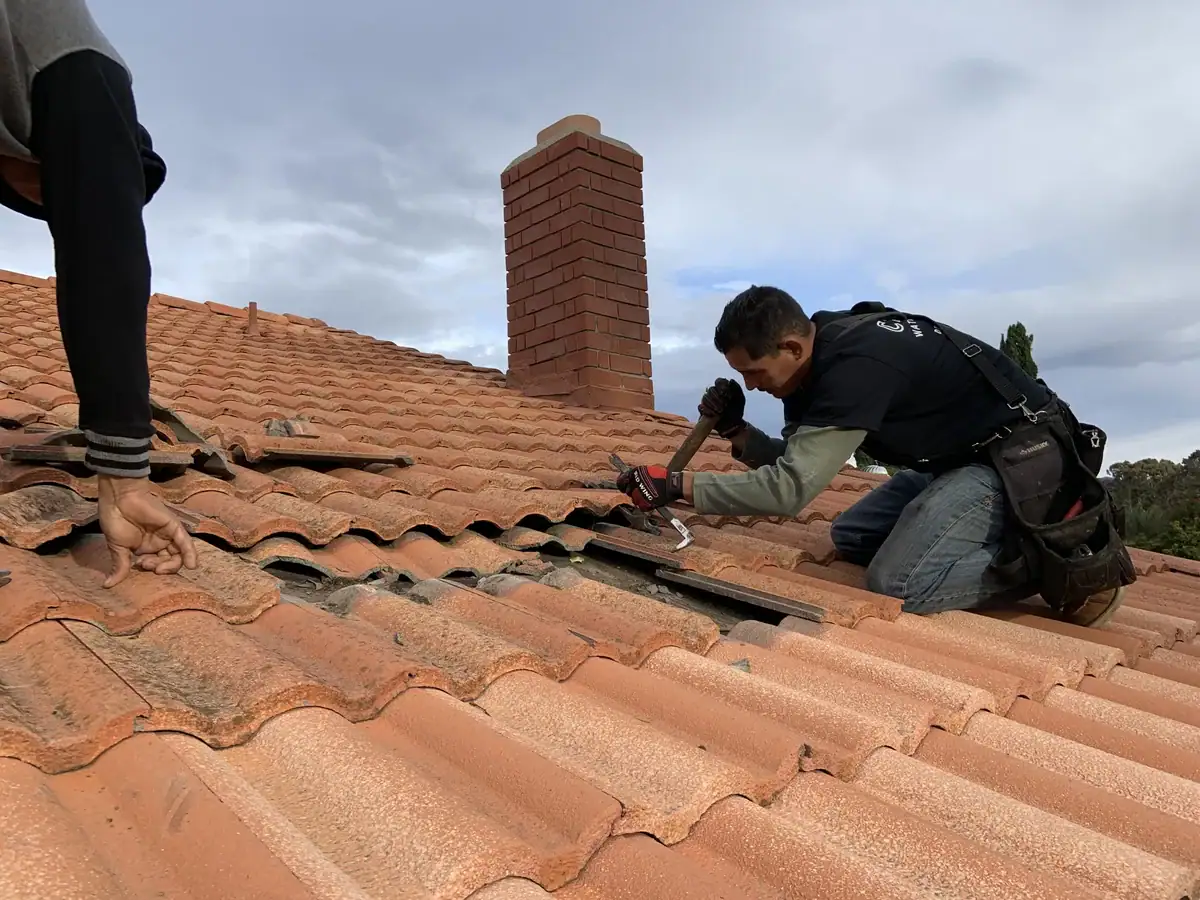
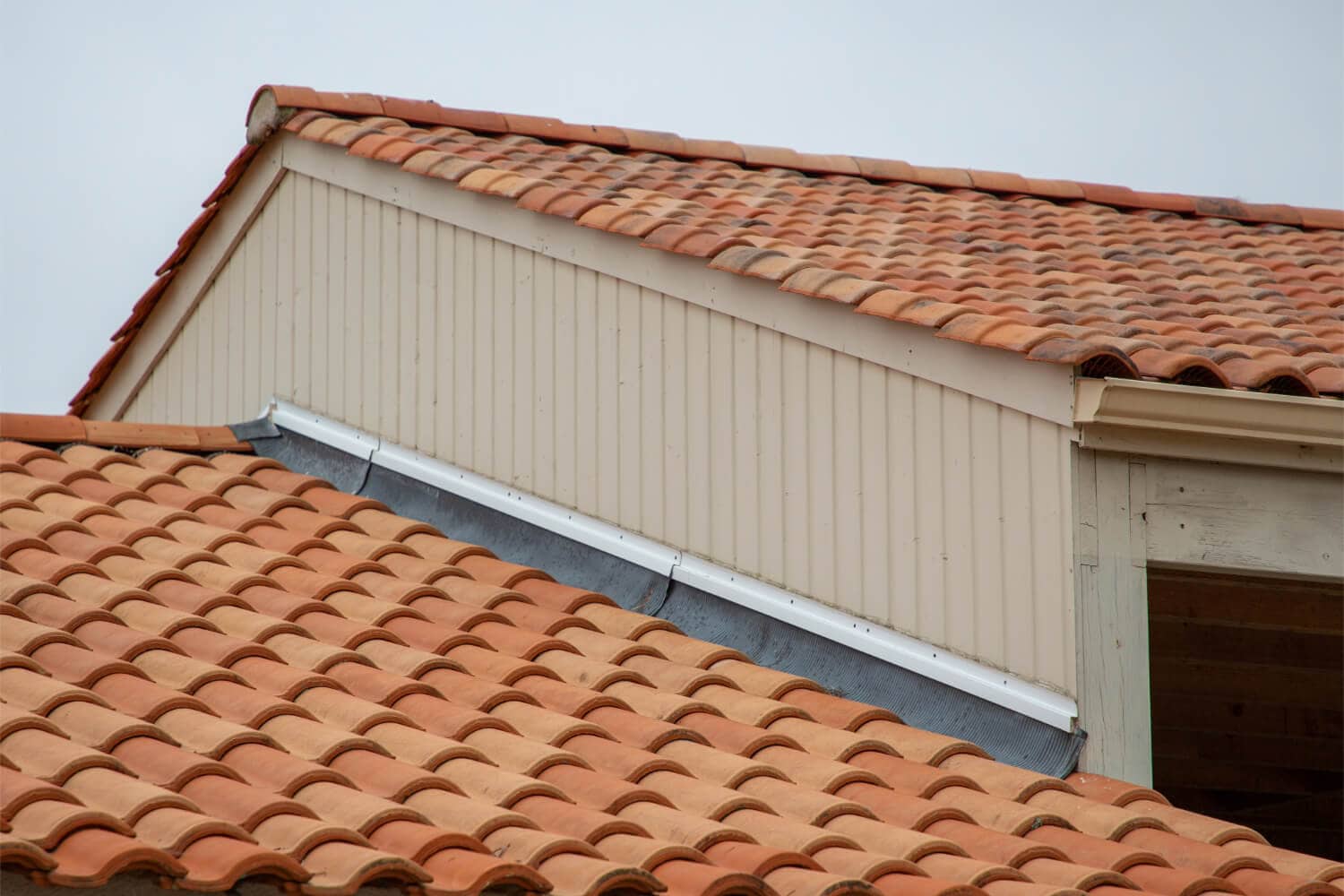
Roof rebedding and repointing are key services that keep your roof tiles secure and your home protected. Rebedding involves replacing the old mortar that holds the ridge tiles in place. Over time, this mortar can wear down due to weather exposure and other factors, leading to loose or unstable tiles. Repointing, on the other hand, involves adding a layer of weatherproof material over the existing mortar to seal and secure it. This helps in preventing leaks and maintaining the integrity of the roof.
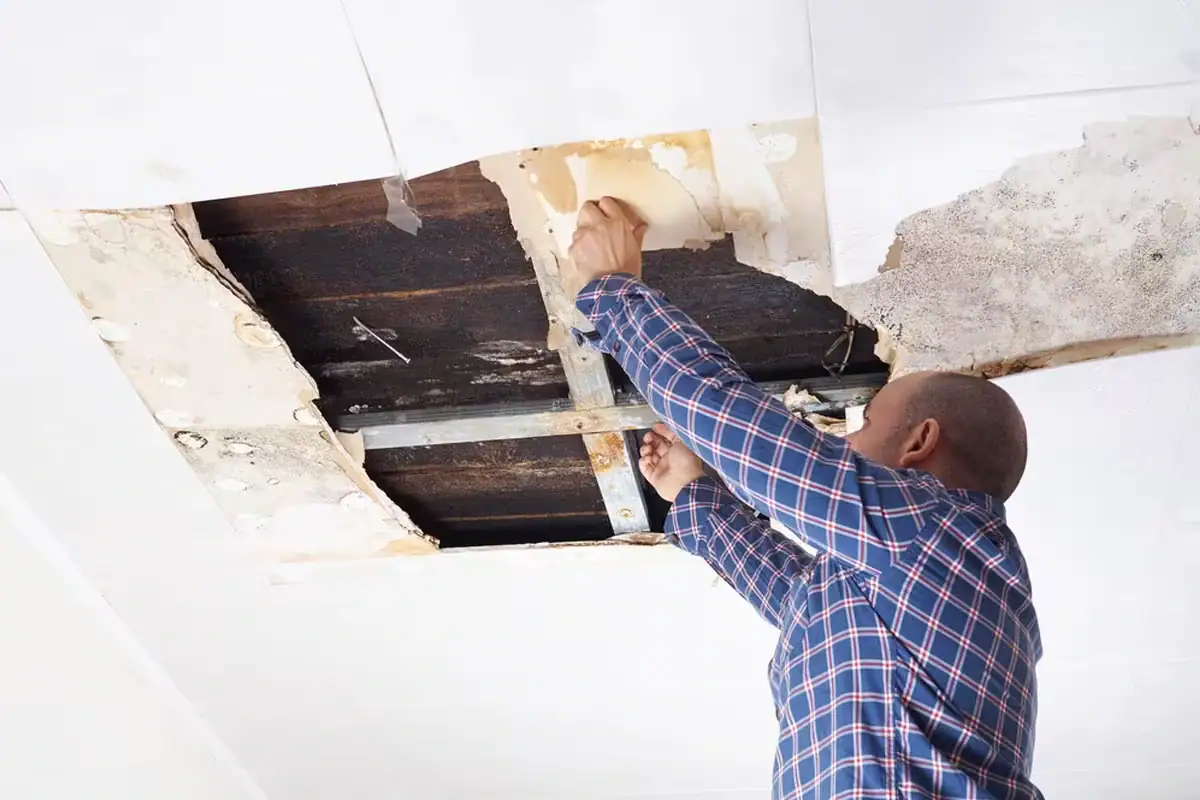
Homeowners in Seven Hills should look out for certain signs that indicate a need for these services. Cracked mortar, tiles that seem loose or wobbly, and misaligned ridge tiles are major red flags. Additionally, if you notice water stains inside your home or dampness in the attic, it might be time to inspect your roof closely.
Rebedding is usually needed when the mortar is beyond repair, whereas repointing can be a more preventive measure, addressing minor issues before they escalate. In some cases, both services might be required together to ensure the roof’s stability and longevity. Knowing when to use each service can save you from major repair costs down the line, keeping your home safe and dry.
The Process of Roof Rebedding: Step-by-Step Guide
The process of roof rebedding involves several important steps, each crucial for ensuring the tiles stay secure. Here’s a simple guide:
1. Initial Inspection
Inspect the roof to assess the extent of damage to the mortar and tiles.
2. Removing Old Mortar
Carefully remove the old, damaged mortar without disrupting the tiles significantly.
3. Cleaning the Surface
Clean the tiles and the surface underneath to ensure new mortar adheres properly.
4. Applying New Bedding
Mix fresh mortar and apply it evenly to create a sturdy base for the tiles.
5. Positioning the Tiles
Place the tiles back in position, ensuring they are properly aligned and seated firmly in the new mortar.
6. Curing Time
Allow the new mortar to cure adequately. This typically takes a few days, depending on weather conditions.
For rebedding, specific materials are essential. Mortar mix, which is a combination of cement and sand, along with water, is the primary material. Tools like a trowel for applying mortar and a brush for cleaning are commonly used.
Safety is paramount during the rebedding process. Using sturdy ladders, wearing safety gear, and ensuring the area is stable are key precautions. It’s also important for anyone doing this work to have a good understanding of roof structures to avoid accidents or further damage. This careful approach ensures that the new mortar and tiles will provide lasting protection for your roof.
Repointing: Enhancing the Durability of Your Roof
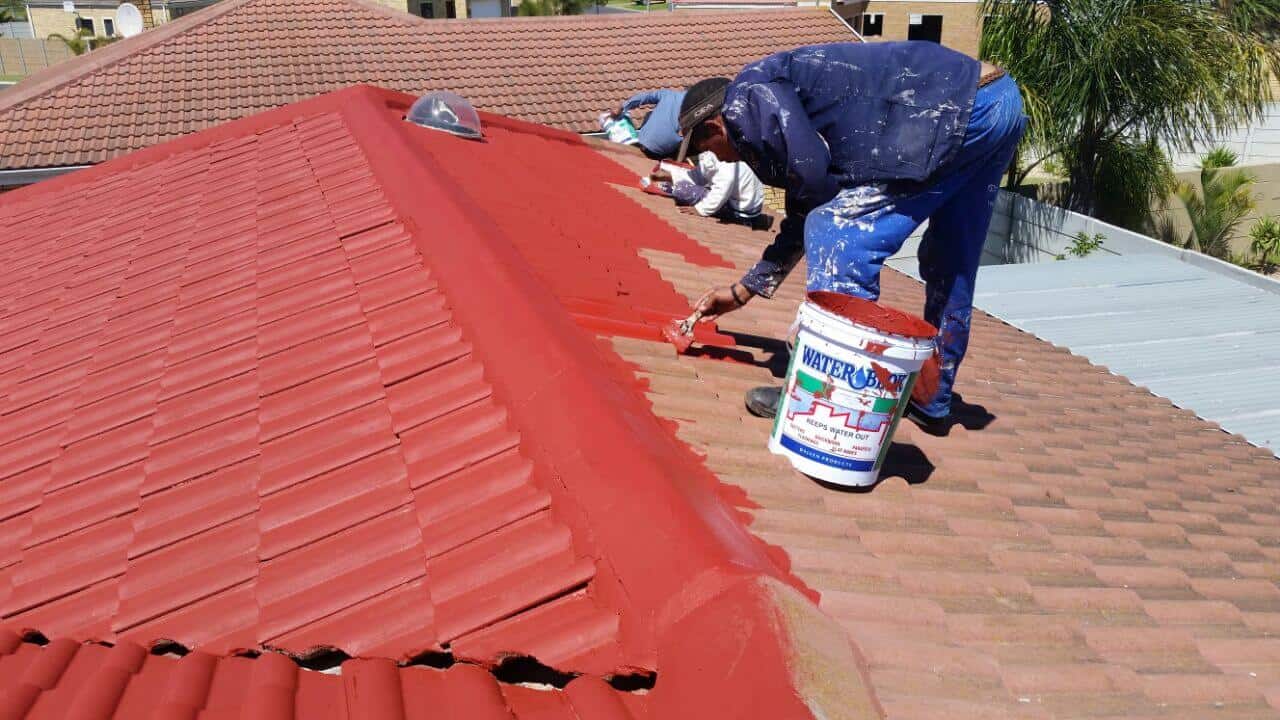
Repointing plays a crucial role in keeping your roof tiles secure and extending the life of your roof. This process involves filling in the gaps and repairing the mortar that holds the tiles in place. By providing an additional layer of protection, repointing helps prevent water ingress and keeps the tiles from becoming loose.
One significant advantage of modern repointing is the use of flexible pointing materials. Unlike traditional cement mortar, these newer materials can expand and contract with weather changes. This added flexibility helps resist cracking and can better withstand the elements, making your roof more resilient over time.
You might need repointing if you observe certain visual clues. If there’s visible cracking or missing sections in the existing mortar, it’s a sign that repointing is necessary. Another indicator can be a change in how water flows off the roof, such as water pooling in certain areas or damp spots appearing on the underside of the roof or ceiling.
Regular checks on your roof’s pointing can help you catch these warning signs early. Addressing repointing needs promptly can prevent more severe damage and maintain the roof’s effectiveness in protecting your home from the elements.
Maintaining Your Roof in Seven Hills: Preventive Measures You Can Take
Maintaining your roof is essential to avoid costly repairs and ensure long-term performance. Regular roof inspections can help identify issues like loose tiles or damaged mortar. Aim to conduct inspections at least twice a year, particularly after severe weather, to catch any new problems.
Keeping your gutters clean is another important task. Clogged gutters can lead to water overflow, which might damage the roof structure or cause leaks. Regularly removing debris such as leaves and twigs keeps the water flowing properly and reduces the risk of roof damage.
Here are a few tips for minor repairs you can handle yourself:
– Replace Broken Tiles: If you spot cracked tiles, replace them promptly to prevent leaks.
– Repair Small Cracks in Mortar: Use a roof sealant to fix small cracks temporarily until professional help can be sought.
– Trim Overhanging Branches: Clear any branches that might fall on the roof during storms to prevent tile damage.
These steps can help you maintain a healthy roof. For more significant concerns or if you’re unsure about the condition of your roof, it’s wise to call in professionals to ensure everything is in top condition.
Conclusion
As we’ve explored, roof rebedding and repointing are essential services that help maintain the integrity and durability of your roof in Seven Hills. Recognising the signs early and taking preventive measures can save you from more extensive and expensive repairs. Whether it’s replacing old mortar or adding a protective layer with repointing, these tasks are vital to the upkeep of your home’s first line of defence against the weather.
Taking care of your roof involves consistent inspections and minor DIY efforts. However, sometimes professional intervention is necessary to handle more extensive issues. By ensuring your roof is well-maintained, you protect your home and everything within it from potential damage.
For professional assistance with roof rebedding and repointing, reach out to Topnotch Restorations. Our team is ready to help keep your roof in peak condition, providing expert services tailored to your needs in Seven Hills. Contact us today to secure and extend the life of your roof.