Your roof is like the silent guardian of your home, until a crack in the mortar lets rain sneak in.
Roof repointing simply means replacing that crumbling cement around ridge tiles to keep your roof watertight and looking sharp.
In Parramatta’s mix of hot summers and sudden storms, this small job can save you from big leaks, structural damage, and costly repairs. Think of it as a quick refresh that extends your roof’s life and boosts curb appeal. The best part? It’s a simple fix that can save you thousands compared to a full roof replacement.
Pointing vs Repointing vs Re-bedding
Roofers use a few similar terms that can be confusing: pointing, repointing, and rebedding. Here’s a quick breakdown:
- Roof Bedding: When a roof is first built (or rebuilt), the ridge caps (those top tiles) are “bed” onto a mortar bed – basically a fresh layer of cement that glues them in place. Think of bedding as the foundation mortar that holds the cap tiles down.
- Roof Pointing: This is the original mortar applied to the exposed edges of those ridge caps. Its job is to seal cracks and fill gaps so wind and rain can’t get under the tiles. Pointing is done during installation (and any time tiles are relaid) to finish off the job.
- Roof Repointing: Fast forward years later – repointing is the maintenance step. It means removing the old pointing mortar and applying new mortar or a modern flexible compound. Essentially you’re “re-newing” the pointing. Rooves often get repointed about every 10–30 years to refresh that weatherproof seal.
| Term | Definition | Typical Timing |
|---|---|---|
| Roof Bedding | Initial cement mortar layer for ridge caps. | When roof is built/installed. |
| Roof Pointing | Sealing mortar on exposed edges of ridge tiles. | With installation; also part of maintenance. |
| Roof Repointing | Replacing old pointing with new mortar/compound. | As periodic maintenance (often ~10–25 yrs). |
This work is usually done by pros with special tools. You might hear a roofing expert say, “I’ll repoint your ridge caps next week,” which simply means they’ll chisel out the old grout and pack new cement between the tiles. In Australian homes, this is sometimes called re-pointing roof ridges or pointing up the roof.
Why Your Roof Needs Repointing
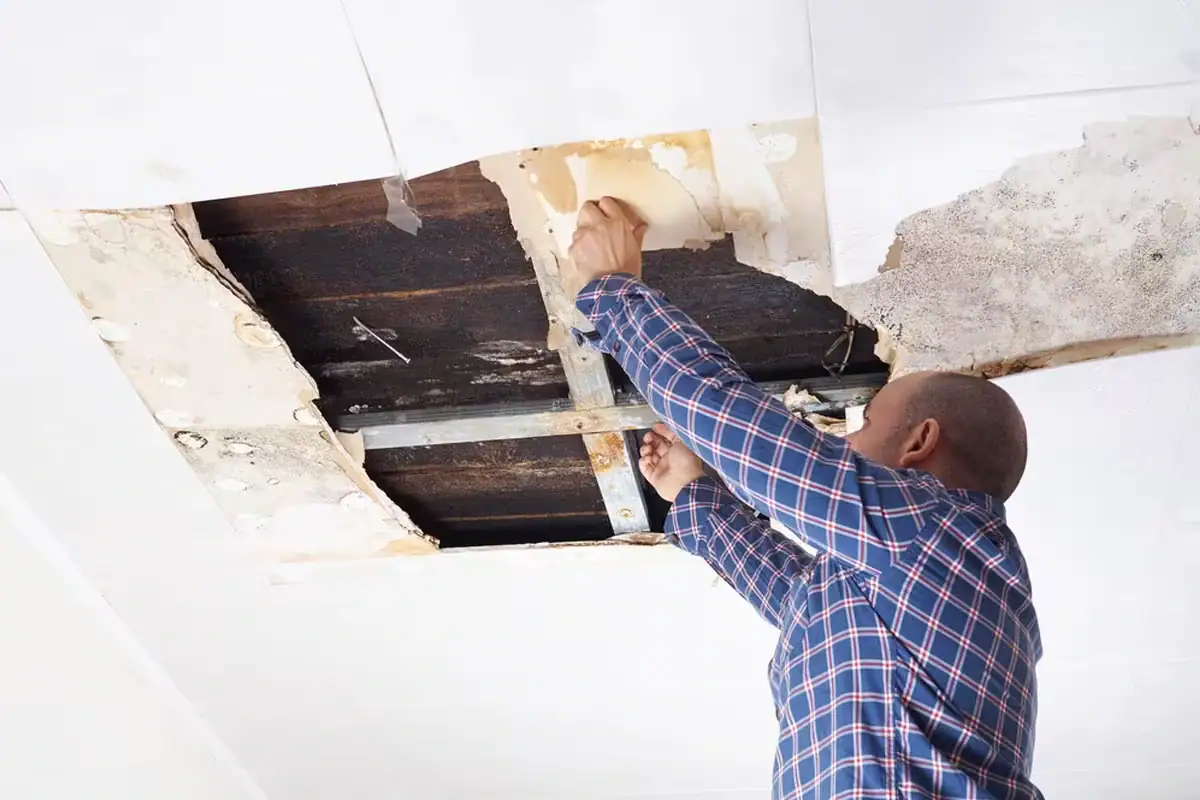
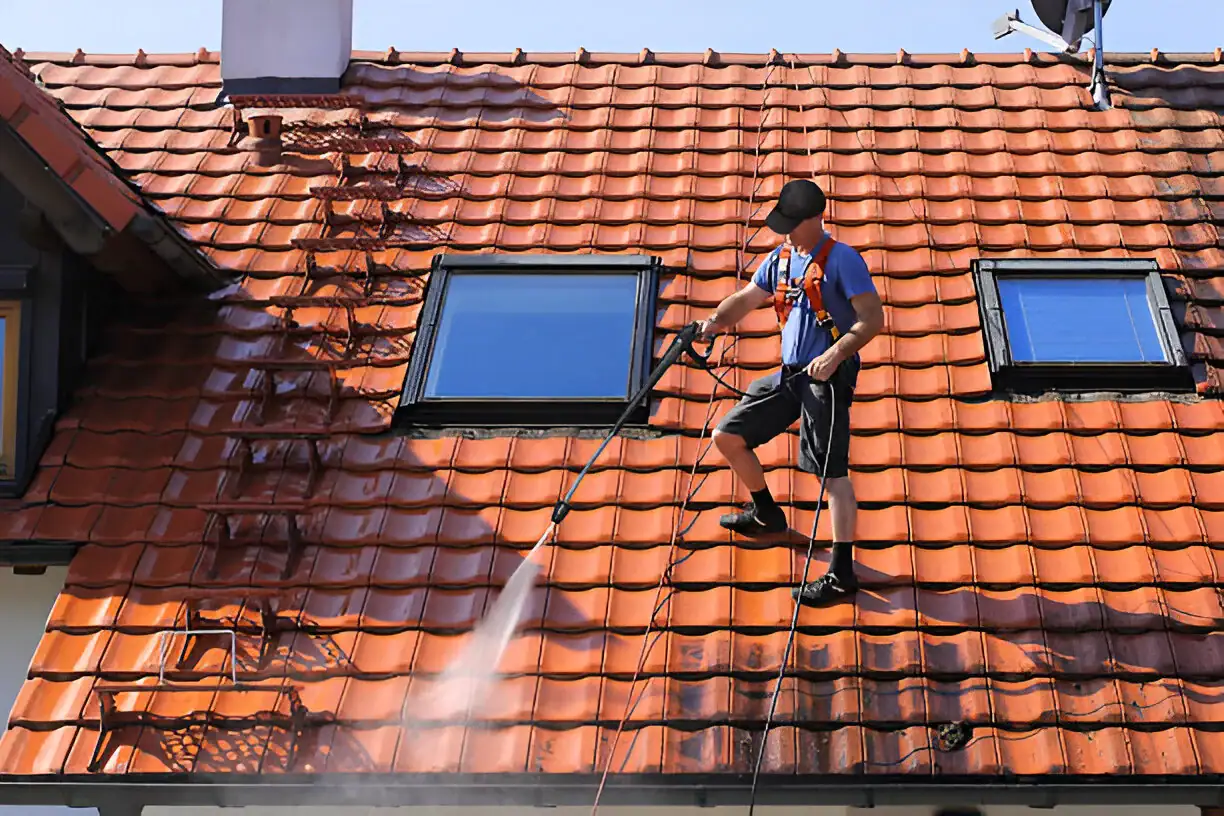
If you’ve ever seen water stains on your ceiling after a storm, or noticed bits of mortar in the gutter, your roof could be begging for some attention. The mortar lines between ridge tiles are the roof’s first line of defence against rain. Over time, UV from the Parramatta sun and heavy rains can make this mortar dry out, crack or crumble. When that happens, even a tiny gap can let water seep in. And water in your roof means rotten rafters, mouldy insulation and a costly repair headache.
Roof pointing’s main job is to keep the rain out. Think of the mortar joints as tiny dams blocking leaks. If a dam cracks, water will find a way through. Repointing rebuilds these little dams. As Coverage by Design explains, a properly repointed roof “acts as a key barrier against water, preventing costly issues like leaks, wood rot, mould growth, and structural damage”.
Besides leak protection, repointing strengthens your roof’s structure. It locks each tile firmly in place, making the roof more robust against wind gusts or falling branches. Loose tiles can be dangerous – they might slide off or crack someone’s solar panel during high wind. Repointing also gives your roof a neat, uniform look: fresh white mortar lines can make your tiles pop, boosting curb appeal if you ever sell. One pro notes that after repointing, a roof often looks “as new” and draws positive comments from neighbours.
Finally, repointing can save you money in the long run. Addressing small cracks early is far cheaper than fixing a major leak later. It’s preventative medicine for roofs – like oil changes for your car. A sealed roof also insulates better, keeping your attic dry and potentially reducing energy bills by preventing damp, cold spots. All in all, a little up-front spend on repointing usually avoids a huge bill for full roof replacement down the track.
Signs You Need Roof Repointing
How do you know if your roof is crying out for a repointing spa day? Keep an eye (and ear) out for these red flags:
- Visible gaps or crumbling mortar along the ridges or where tiles meet.
- Water leaks or moisture in the loft/ceiling after rain. Even small drips or stains are warning signs.
- Loose or missing tiles. If tiles move easily underfoot or you see sky through the ridge, the cement bed may have failed.
- Bits of mortar or tile fragments in gutters. This debris often comes from the joint mortar breaking off.
- Greenery or moss growing on the roof. Plants take root in cracked mortar – a sure sign moisture is seeping in.
- Old roof age. Homes built before the 1990s often used brittle cement mortar. Over 25–30 years, it typically needs refreshing.
- Recent storms or hail. If your area just got hit, it’s wise to check the roof for new damage.
If you tick any of these boxes, it’s worth having a look (or calling a local roofer for an inspection). The good news: repointing is a repair, not a replacement – much cheaper than a brand-new roof. According to one Aussie roofing guide, “repointing seals your roof against water to prevent moisture damage, wood rot and mould growth” and prevents dangerous loose tiles. It’s proactive home maintenance, just like servicing your car or cleaning the gutters.
The Roof Repointing Process
Ready to see how the pros do it? Repointing isn’t rocket science, but it’s not a casual DIY weekend project either (roofs are slippery, and working with cement takes some skill). Here’s a general rundown of the steps:
- Inspection: First, a roofer will walk the roof (with proper safety gear) and check every ridge tile. They tap and prod the mortar joints to see if they’re solid. This finds all the spots that need work.
- Preparation: The crew covers anything below (like plants or decking) since it can get messy. They may lay sheets or scaffolding. Old protruding bolts or vents are sealed or removed if needed.
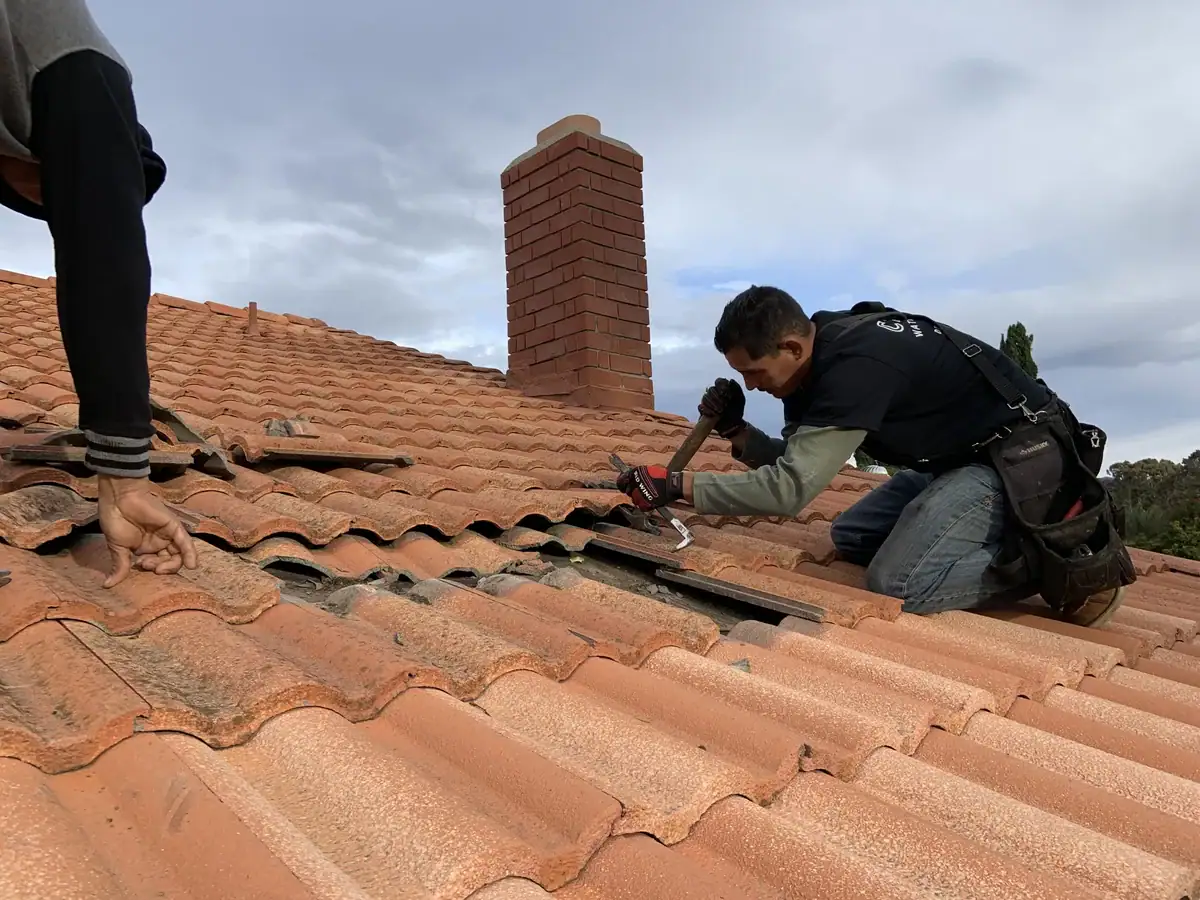
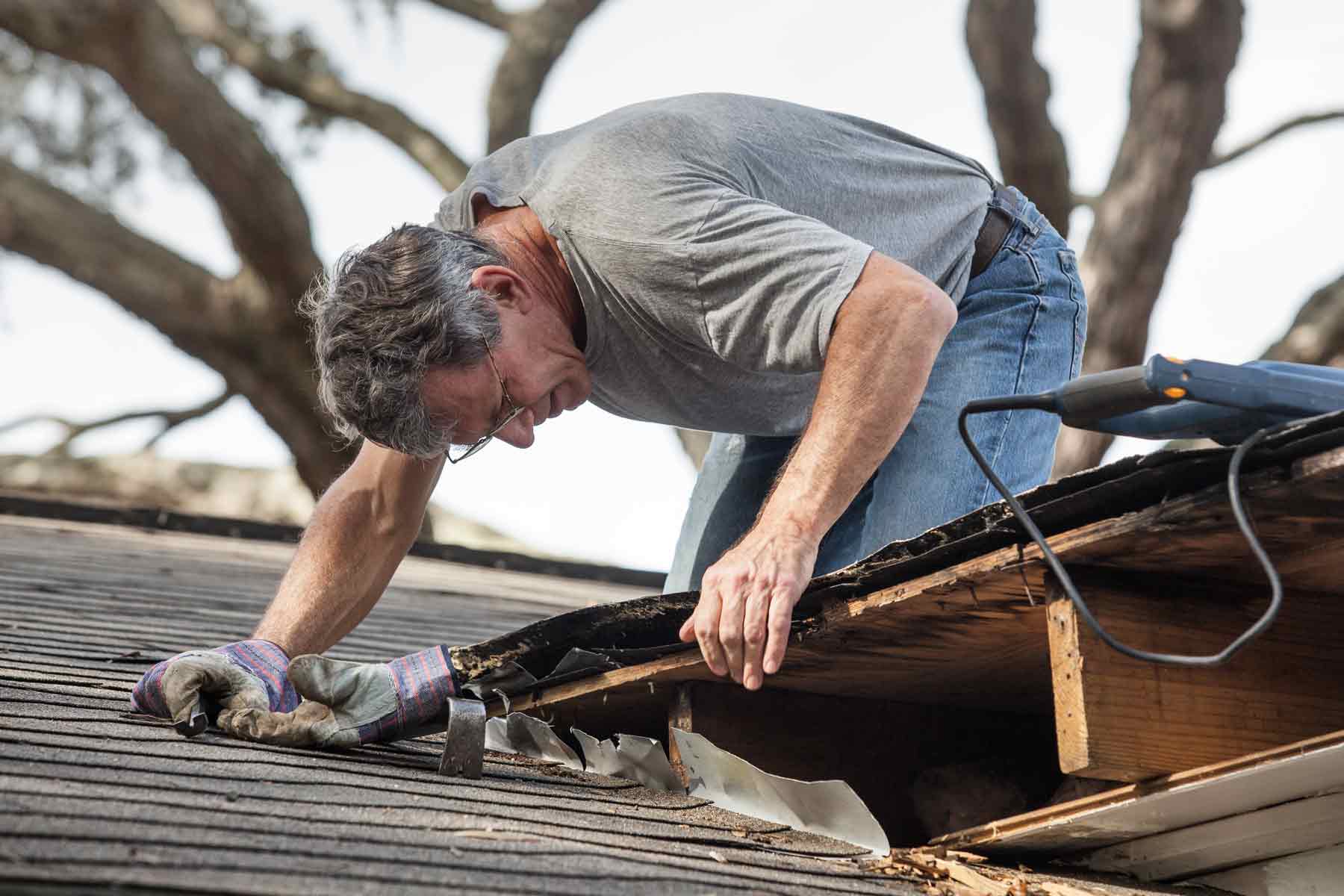
- Remove old mortar: Using hand tools or small grinders, the roofer carefully chips out the damaged mortar from between the ridge tiles. This step takes elbow grease – you’ll see clouds of white dust as the old stuff crumbles. All debris is brushed away so the new mortar has a clean bed.
- Apply new pointing: Fresh mortar (often a flexible polymer-based mix) is packed into the gaps. A skilled roofer uses a pointing trowel to press and smooth the mortar, ensuring each ridge tile is snug. They’ll feather or shape the mortar so it sheds rainwater properly.
- Finishing touches: Excess mortar is cleaned off. The team will also check all flashing and tiles nearby. In some cases, broken ridge tiles might be swapped out. Finally, the newly pointed joints are left to cure – typically they need at least 24 hours to dry solid, and you’d pray for no rain during that time (flexible pointing especially doesn’t like being rained on before set).
- Inspection and warranty: After curing, a final check ensures every joint is sealed. Many professionals offer a warranty (for example, flexible pointing often comes with a 5-year guarantee), meaning they stand by their work.
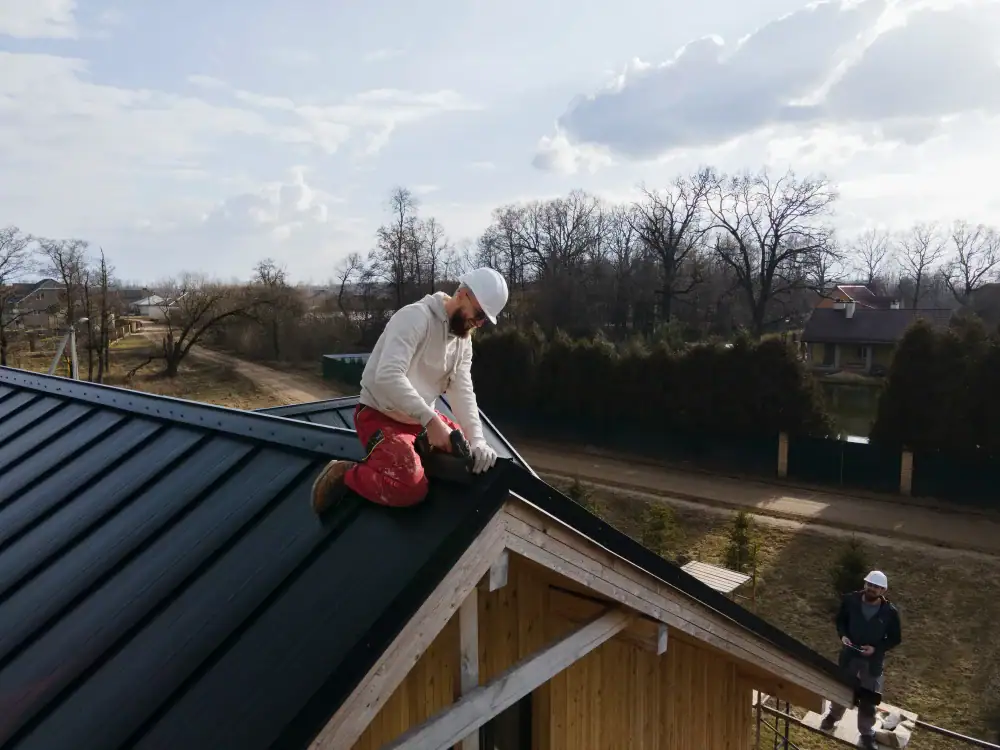
That’s it – the roof has effectively gotten a brand new lining of cement! The process can usually be done in a day or two for an average house, depending on how much mortar needed replacing. It’s labor-intensive and dusty, which is why it’s best left to licensed roofers with the right equipment. (And yes, definitely not something you do standing on a wobbly ladder drinking beer.)
How Much Does Roof Repointing Cost?
Let’s talk numbers. A little repointing can save a lot in the future, but what will it cost you now? Prices vary widely based on your roof’s size, slope, tile type and how much work is needed. Generally, though, expect something in this ballpark:
- Per linear metre of ridge: Around $20–$25/m is a common rate.
- Per square metre of roof: Some pros charge by area – roughly $120–$170/m² of roof surface (this covers labor, materials and cleanup).
- Average home: Many Australian houses end up paying about $1,500–$2,500 (plus GST) for a full repoint of a typical tiled roof.
- Larger or complex roofs: Big roofs or those with many angles and ridges can run higher. If your roof has multiple levels or very steep pitches, labor time goes up.
For example, Coverage by Design notes that on the Gold Coast, they see repointing run between $100 and $200 per metre of ridge, with an average job over $2,000. Hipages (an Aussie home site) similarly quotes $120–$170 per square meter.
Costs are usually higher than a brand-new roof’s per-unit cost because repointing is fiddly: roofers must carefully remove old materials, work on an existing structure, and dispose of debris. But compare this to a full roof replacement (which can be five or six figures), repointing is a bargain. It’s often more expensive than a new build “point and bed” job because of the extra labor, but still only a fraction of a new roof.
Of course, every job is unique. If you have asphalt shingles or a metal roof, repointing isn’t relevant (metal roofs don’t have mortar). But for our classic Parramatta homes with terracotta or concrete tiles, budgeting a couple thousand dollars for repointing (spread over many years) can save you tens of thousands later. It’s wise to get multiple quotes from licensed roofers and compare – and check if any council permits are needed (usually repointing alone doesn’t trigger any, but regulations can vary).
As a rule of thumb, never delay needed repointing just to save a buck; a small gap can quickly become a giant leak. Investing now “pays dividends in the long run,” as one roofing guide puts it.
Conclusion
Roof repointing may not be glamorous, but it’s a must-do for maintaining a solid roof over your head. By refreshing the mortar that holds your tiles in place, you’ll keep water out, shored up the structure, and avoid much bigger headaches (and bills) later on. For Parramatta homes facing sun, wind and storms, repointing is a smart bit of preventative care – it’s like applying a weatherproofing coat at a crucial joint.
If your roof has been on autopilot for years, now’s a good time to get it inspected. Don’t wait for that drip to become a downpour inside your lounge. Talk to a licensed roofer (and remember, government home-maintenance guidelines always say to fix cracked tiles and roof ridges promptly). You might find a few repairs are all that stand between your home and a soggy surprise.
Got questions about roof repointing or tips to share? Drop a comment below – I read every one and love hearing real stories from readers. Stay dry up there!
Frequently Asked Questions
What is roof repointing?
Roof repointing means removing old, cracked mortar from the joints of ridge tiles and replacing it with fresh mortar or flexible pointing. It keeps your roof sealed and protected from leaks.
How often should roof repointing be done?
Most roofs in Parramatta need repointing every 10–20 years, depending on weather exposure and the type of pointing material used. Flexible pointing can last longer than traditional cement mortar.
What’s the difference between repointing and roof replacement?
Repointing is a maintenance job that refreshes the mortar and extends your roof’s life, while replacement involves removing and installing a new roof. Repointing is much cheaper and faster.
How much does roof repointing cost in Parramatta?
The cost generally ranges from $20–$25 per linear metre of ridge or around $1,500–$3,000 for an average home. Factors like roof size, tile type, and complexity can affect the price.
Can I do roof repointing myself?
It’s risky and not recommended. Repointing requires proper tools, mortar mix, and roof safety equipment. A professional roofer ensures durability and safety.
Does repointing increase property value?
Yes, a freshly repointed roof boosts curb appeal, prevents leaks, and signals to buyers that the home is well-maintained—often increasing resale value.