Maintaining a healthy roof is critical for protecting your home from the elements and avoiding costly repairs. One important aspect of roof maintenance is resealing. Roof resealing helps to prevent leaks, extend the life of your roof, and preserve the overall integrity of your home. In a place like Dundas, where weather conditions can vary significantly, keeping an eye on your roof’s condition is especially important.
This article will guide you through the process of understanding the importance of roof resealing, recognizing the signs that indicate a need for resealing, and how the weather in Dundas affects your roof. We’ll also provide you with steps to follow when you notice these signs, ensuring your roof remains in top condition and continues to protect your home efficiently.
Why Roof Resealing is Important
Roof resealing plays a crucial role in maintaining the structural integrity and longevity of your home. Here’s why resealing is so important:
- Preventing Leaks: Over time, the original sealant on your roof can wear down due to exposure to sun, rain, and wind. This can lead to small cracks and gaps where water can seep through, resulting in leaks. Resealing the roof helps to close these gaps and prevent water damage to your home’s interior.
- Extending Roof Life: Regular resealing can significantly extend the lifespan of your roof. By protecting the roof materials from getting damaged by moisture and UV rays, resealing helps in preserving the condition of the shingles and other roofing components.
- Improving Energy Efficiency: A well-sealed roof helps to maintain better insulation in your home. This means your heating and cooling systems don’t have to work as hard to regulate indoor temperatures, leading to lower energy bills and a more comfortable living environment.
- Enhancing Aesthetics: Resealing your roof can also improve its appearance. A fresh sealant job can give your roof a cleaner and more polished look, which can boost your home’s curb appeal.
- Avoiding Costly Repairs: By addressing potential issues with resealing, you can avoid more severe problems down the line. Timely roof resealing can save you money on expensive repairs or even a full roof replacement.
Visible Signs That Indicate the Need for Resealing
Knowing when your roof needs resealing can help you address issues before they escalate. Here are some visible signs to look out for:
- Cracked or Missing Shingles: Shingles that are cracked, curled, or completely missing indicate damage that requires resealing. These issues can expose the underlying materials to the elements, leading to leaks and further deterioration.
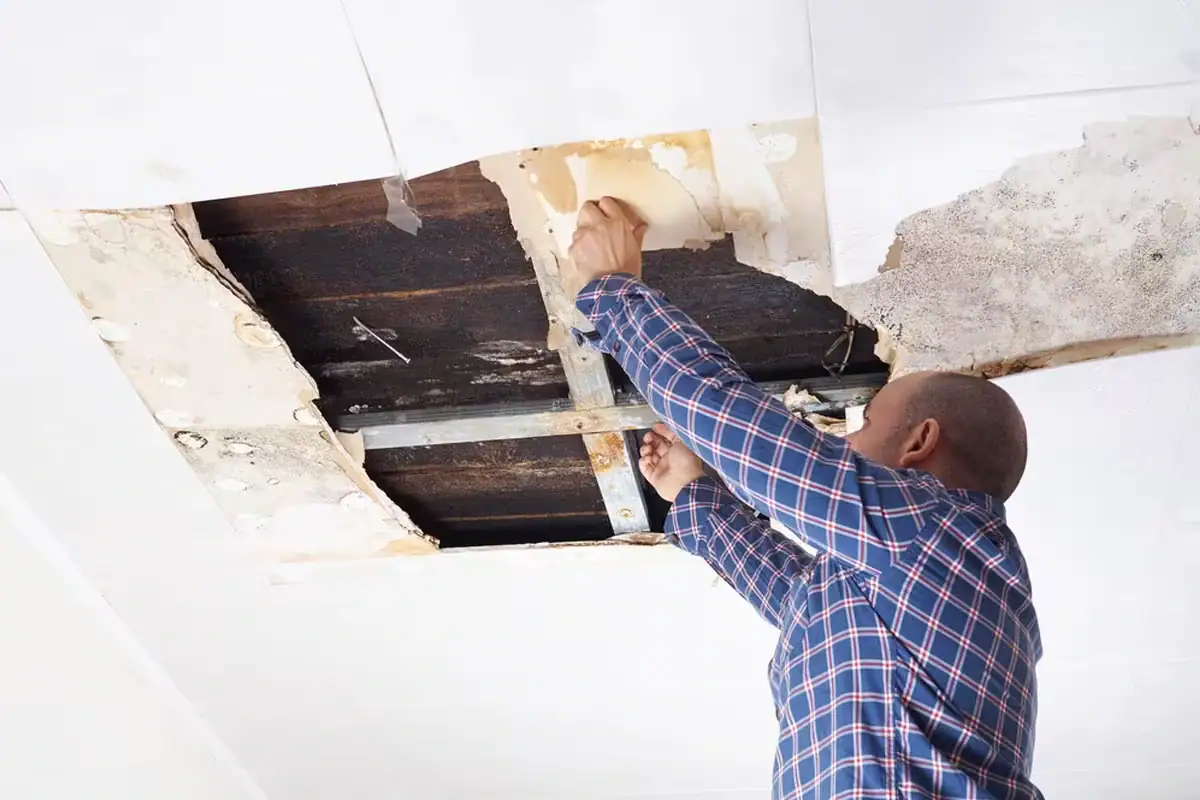
- Water Stains on Ceilings or Walls: Water stains inside your home are clear indicators of a leak in your roof. This often means the sealant has worn away in certain areas, allowing water to penetrate.
- Moss and Algae Growth: The presence of moss or algae on your roof can trap moisture, which can weaken the shingles and the sealant. If you notice green patches, it’s time to consider resealing the roof.
- Blistering or Peeling Paint: If the paint on your roof or the exterior walls of your home starts to blister or peel, it could be a sign of water intrusion due to inadequate sealing.
- Granules in Gutters: Finding granules from your shingles in the gutters means your roof’s protective layer is eroding. This is a clear sign that resealing is necessary to prevent further damage.
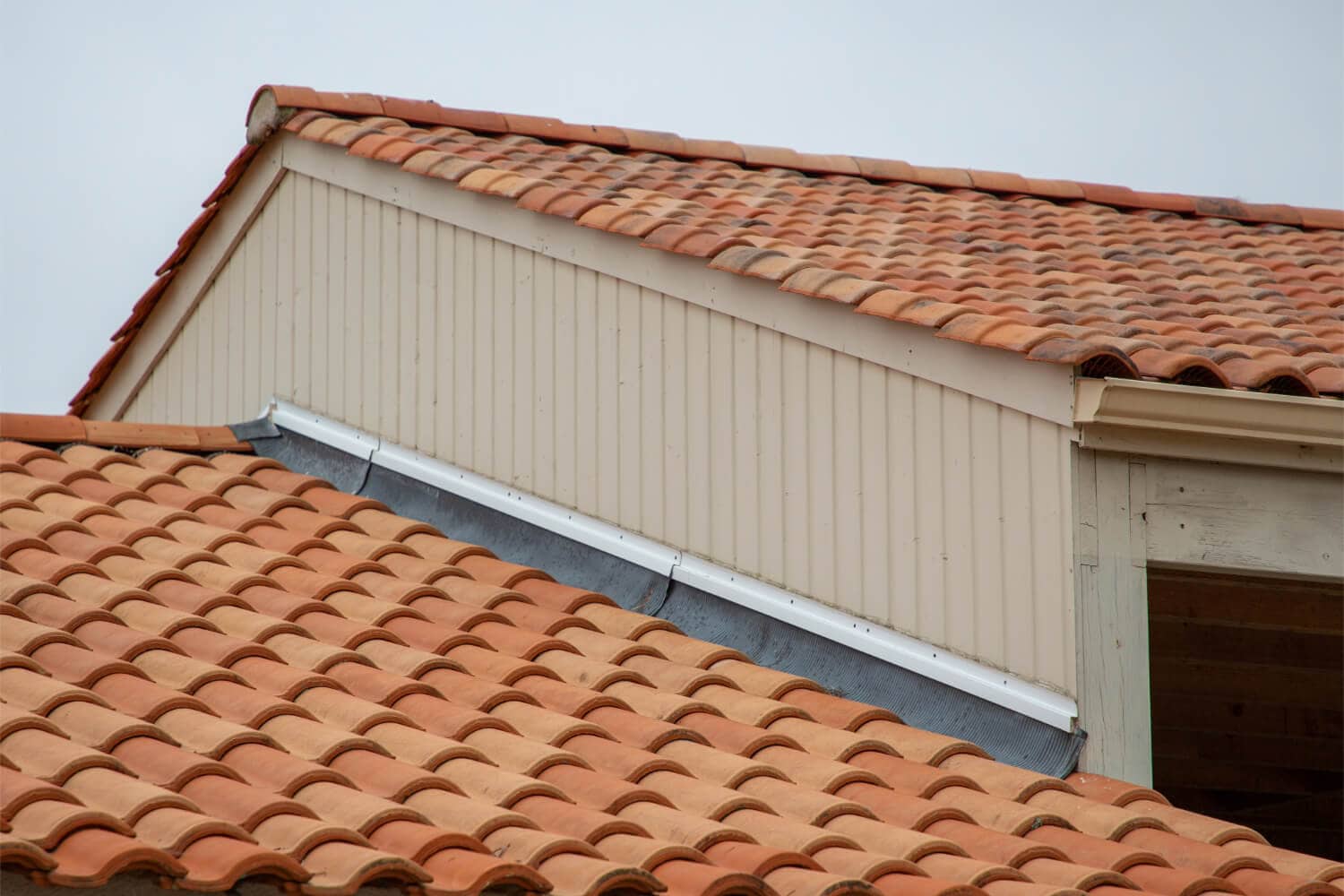
- Visible Rust on Flashing: Flashing around chimneys, vents, and other roof penetrations can rust over time. Rust is a sign of moisture getting through, and resealing these areas is crucial to prevent leaks.
How Weather in Dundas Affects Your Roof
The weather in Dundas can significantly impact the condition of your roof, making regular maintenance essential. Here are some ways the local weather can affect your roof:
- Heavy Rainfall: Dundas experiences periods of heavy rain, which can lead to water damage if your roof is not properly sealed. Water can seep through tiny cracks and gaps, causing leaks and damage to the underlying structure.
- High Humidity: High humidity levels can lead to moisture buildup, which can weaken roofing materials over time. This moisture can also promote the growth of moss and algae, which can further damage the roof if left unchecked.
- Strong Winds: Strong winds can lift and tear off shingles, exposing the roof’s underlayment to the elements. This can lead to significant damage and increase the need for resealing to protect the roof.
- Temperature Fluctuations: Rapid changes in temperature can cause roofing materials to expand and contract. Over time, this can lead to cracks and gaps in the sealant, which can then allow water to penetrate the roof.
- UV Exposure: Prolonged exposure to UV rays can degrade the sealant and roofing materials. This can cause them to become brittle and more likely to crack, necessitating more frequent resealing.
Steps to Take When You Notice Signs Your Roof Needs Resealing
When you notice signs that your roof needs resealing, it’s important to act quickly to prevent further damage. Here are the steps you should take:
- Conduct a Thorough Inspection: Start by doing a detailed inspection of your roof. Look for visible signs of damage such as cracked shingles, water stains, moss growth, and granules in the gutters. Pay special attention to areas around chimneys, vents, and flashing.
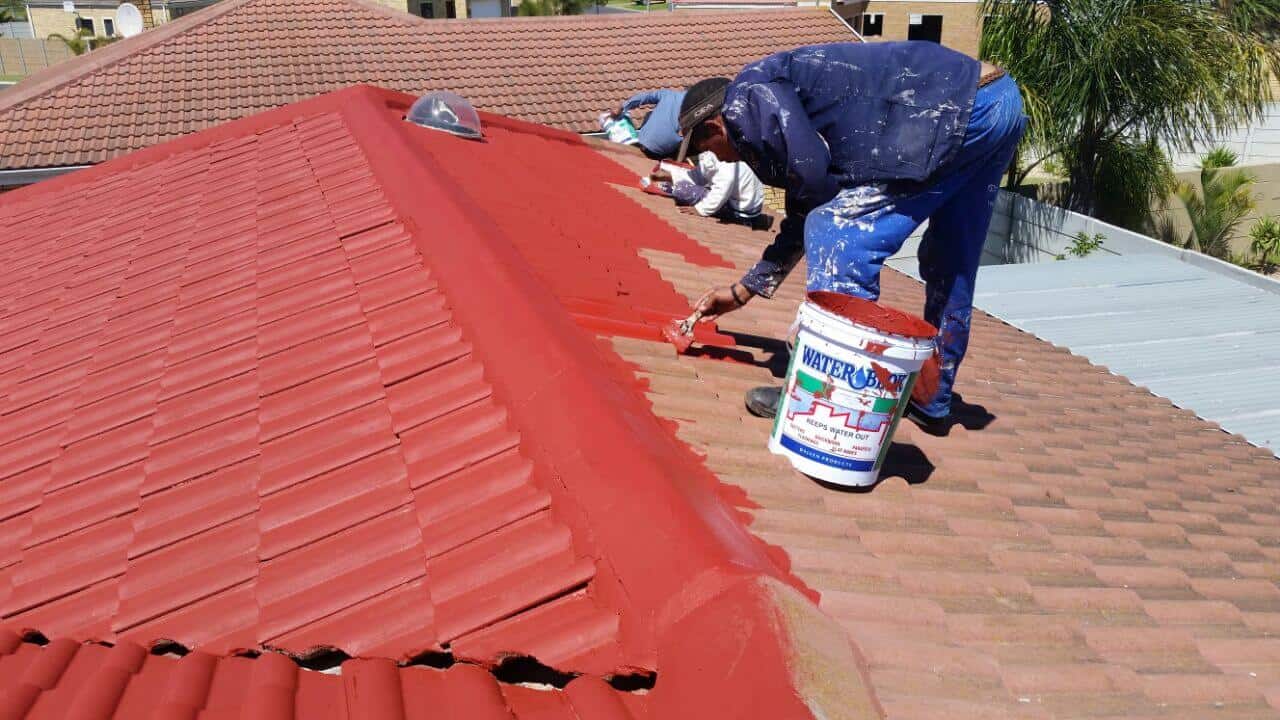
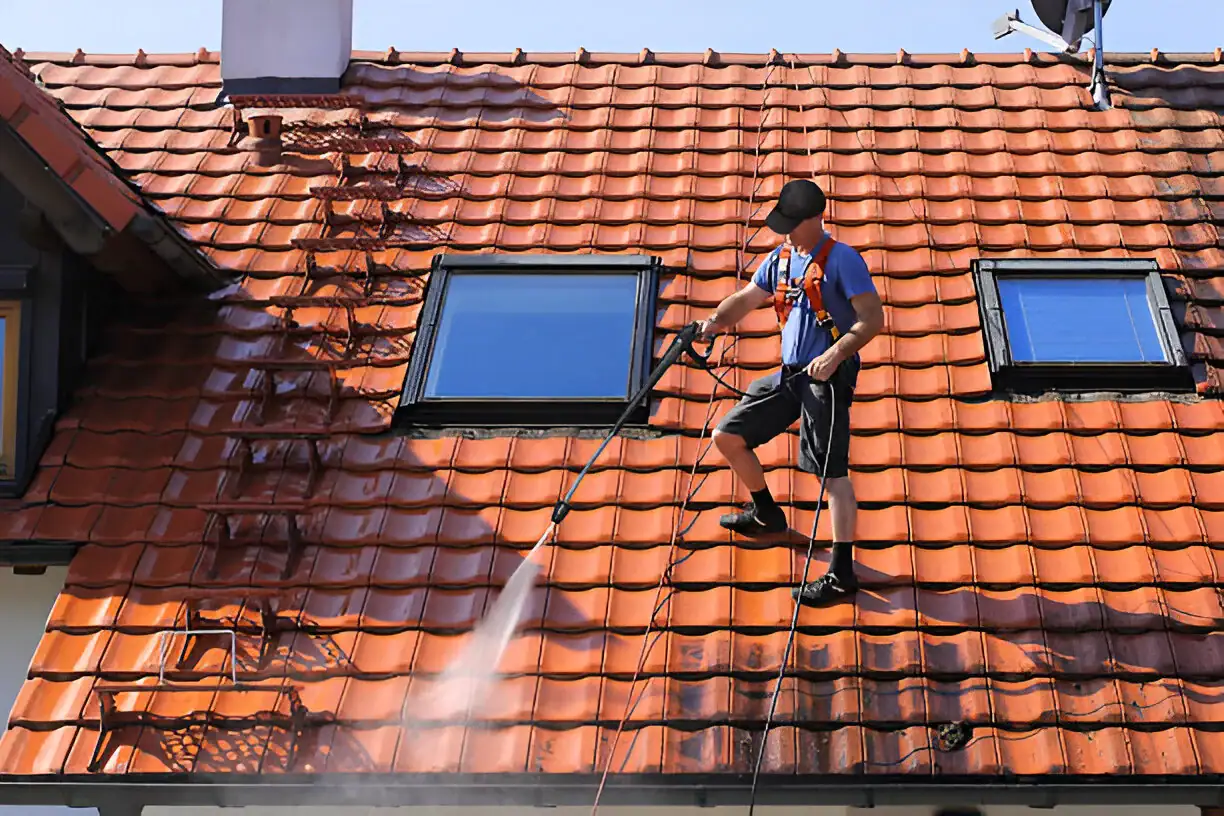
- Clean the Roof: Remove any debris, moss, or algae using high pressure cleaning. This will give you a clear view of the roof’s condition and allow the new sealant to adhere properly.
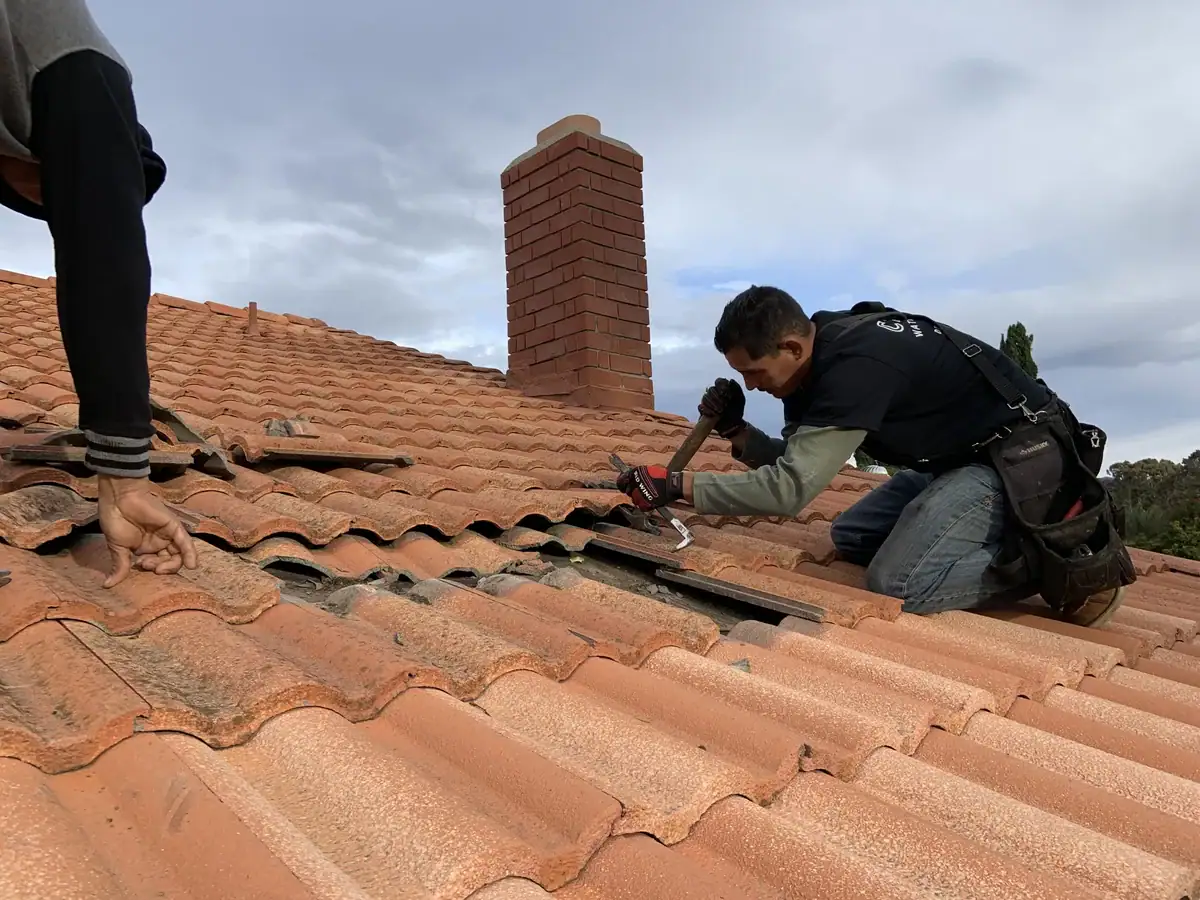
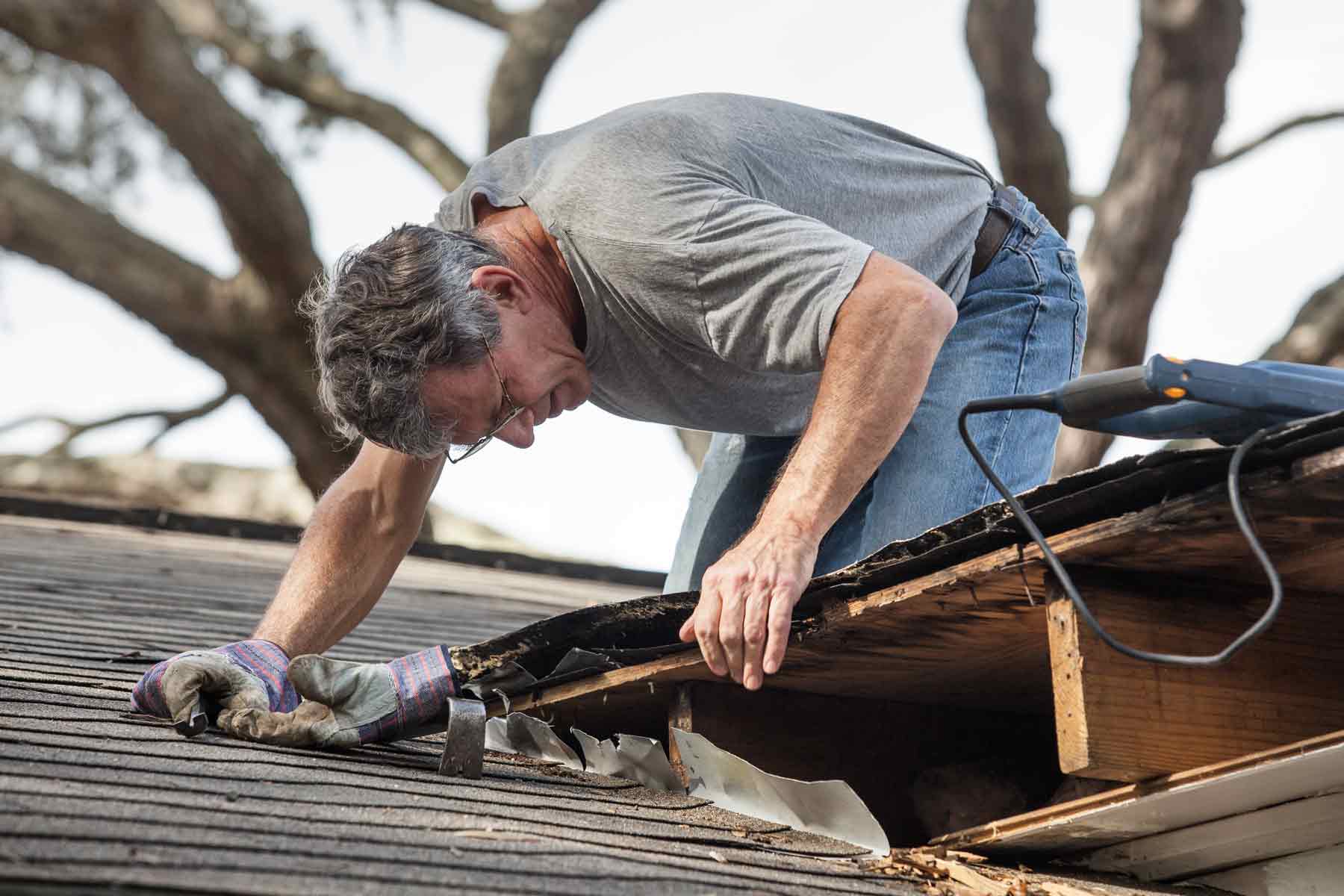
- Repair Minor Damages: Before resealing, fix any minor issues like replacing missing shingles or repairing cracked ones. This will ensure that the resealing process is effective and long-lasting.
- Rebed and Repoint: If you have a tiled roof, check the mortar at the ridge caps. Roof rebedding and repointing may be necessary to fix loose tiles and prevent leaks.
- Reapply Sealant: Once the roof is clean and repaired, apply a high-quality sealant to protect it from the elements. Make sure to follow the manufacturer’s instructions for best results.
- Inspect Flashing: Check and repair roof flashing around chimneys, vents, and other roof penetrations. Make sure the flashing is properly sealed to prevent water from leaking through.
- Schedule Regular Maintenance: To keep your roof in good condition, schedule regular maintenance checks. This will help you catch any issues early and ensure your roof remains well-sealed and protected.
Conclusion
Keeping your roof in top condition requires regular maintenance and timely resealing. By performing thorough inspections, cleaning your roof, making necessary repairs, and resealing it properly, you can ensure your roof continues to protect your home. Regular maintenance and prompt action when signs of wear appear will help keep your roof in excellent shape.
If you need professional help with your roof, contact Topnotch Restorations. Our experienced team is ready to assist you with high-quality roof resealing and other roofing services. Reach out to Topnotch Restorations today to keep your roof in top condition!