Parramatta’s classic red-tiled roofs add instant charm to any home. But even the sturdiest terracotta can age and wear out under our harsh sun and sudden storms. Imagine sipping flat white on a rainy day only to spot a dark stain creeping down the wall – that’s the roof whispering for help.
In this guide, I’ll walk you through everything you need to know about Terracotta Roof Restoration in Parramatta: the warning signs, the ideal seasons, and why timely action is key to a leak-free, long-lasting roof.
Why Terracotta Roofs Need Love
Terracotta tiles are famous for longevity – some can last 50–75 years. They grin at fire, shrug off hail, and keep your home cool by soaking up daytime heat and releasing it at night. Think of your terracotta roof like a vintage leather jacket – it only gets better with age if it’s properly cared for.
Left alone, even the toughest tiles will gradually fade, crack or grow moss. As one roofing expert notes, “exposure to the elements, the UV rays of the sun, seasonal storms and regular wear and tear take their toll” over time. In short, even a great roof can start to look tired after a few decades. The trick is knowing when to intervene.
Spot the Warning Signs
You don’t need to climb on the roof (please don’t – leave that to the pros!). Just keep an eye out for these red flags from the ground or attic:
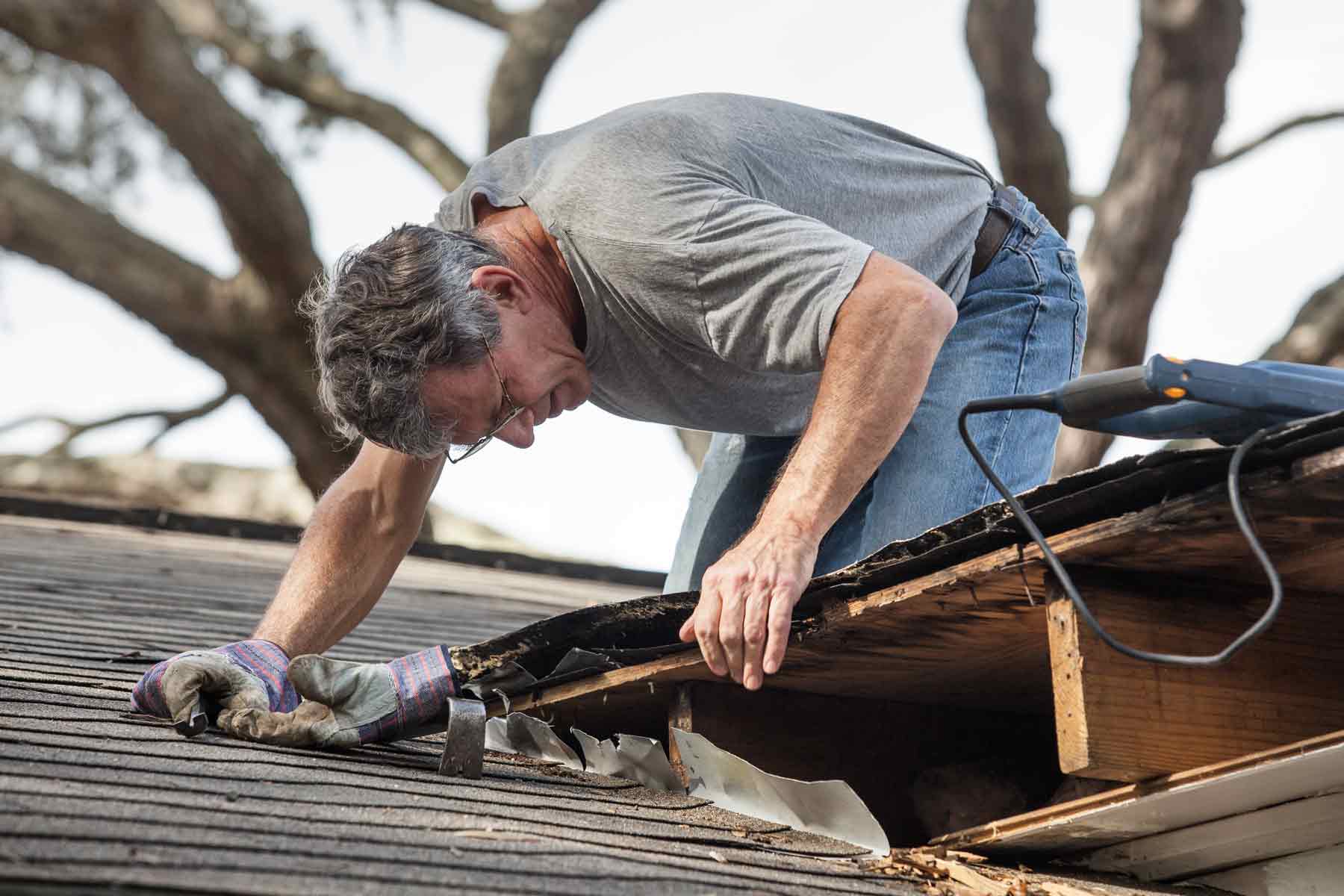
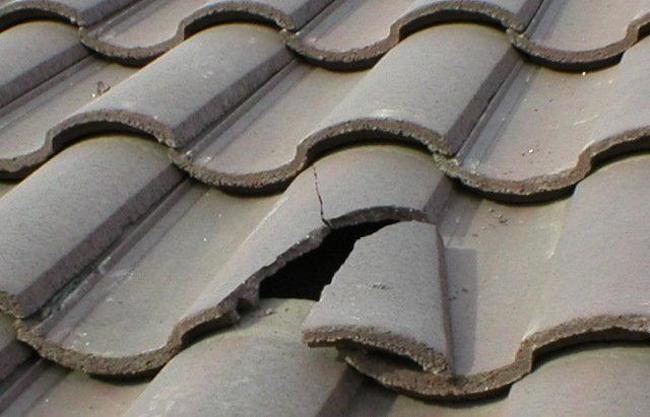
- Cracked, broken or faded tiles: These defects let rain sneak into your home. Experts advise that any “cracked or broken tiles” or tiles with significantly faded color are a sign it’s time for restoration. Even a single crack can lead to leaks.
- Moss, mildew or algae: Green or black patches are more than just ugly – they trap moisture and slowly erode the tile’s glaze. Roof restorers warn that moss and mould growth on tiles is a clear warning sign.
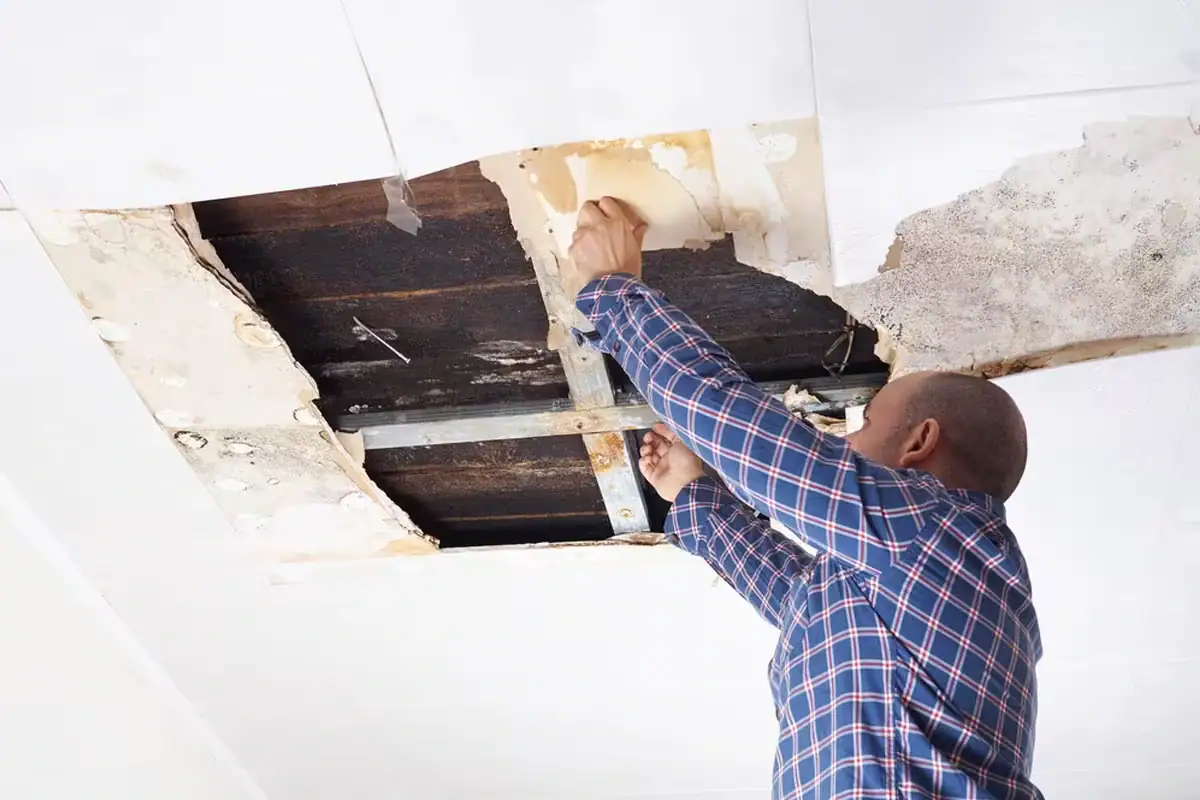
- Indoor leaks or water stains: Dark spots or damp patches on your ceiling or walls usually mean roof leaks. As one Sydney roofer explains, water stains inside are often the first visible hint of cracked tiles or failing seals.
- Sagging mortar or ridge capping: If the cement between tiles or along ridges is crumbling, the whole roof can shift. Re-bedding and re-pointing fix this before tiles start slipping off.
- Age and cumulative wear: Terracotta can last half a century, but by 25–30 years you should at least plan for restoration. Fading colour, brittle grout or a generally “dull” look (despite clean gutters) means the protective coatings are wearing thin.
If any of the above ring true, it’s definitely not too early to restore. In fact, pros recommend quick roof check-ups every 1–2 years. A bit of preventative maintenance now – like gentle cleaning and repairing stray tiles – can save you big headaches (and $$$) down the track.
Best Time of Year for Restoration in Parramatta
Timing is everything! Sydney’s climate (and Parramatta’s) is famously moody: hot, wet summers and cool, relatively dry winters. The experts all agree that late spring through autumn offers the most reliable weather for tile roof work. Here’s the lowdown on each season:
| Season | Pros | Cons |
|---|---|---|
| Spring (Sep–Nov) | Warming weather makes tiles more flexible and easier to work on. Generally comfortable for crew and good drying. | Beware of occasional showers or windy days that can delay work. |
| Summer (Dec–Feb) | Long daylight hours mean more working time. | Extremely hot midday sun can exhaust crews and cause sealants to cure too fast. Afternoon thunderstorms can suddenly halt work and damage uncovered tiles. |
| Autumn (Mar–May) | Mild temperatures and lower humidity create ideal conditions. Rainfall tends to ease up compared to summer. | High demand: every homeowner wants their roof done now, so book early. |
| Winter (Jun–Aug) | Shorter days and cooler temps – not many! | Cold mornings can make tiles brittle, and winter rains mean long drying times. Usually best avoided. |
In practice, early to mid-autumn often wins the prize as the “sweet spot” for roof restorations. By then the summer heat has eased but it’s still mostly dry. Spring is a close second, as long as you can plan around any random spring showers. Many local roofers in Parramatta actually book up for autumn, so if you find a good slot in spring, grab it!
Sure! Here’s the revised sentence without the em dash:
For practical tips on ongoing roof upkeep like replacing cracked tiles, checking ridging and clearing gutters, see the Australian Government’s YourHome guide to repairs and maintenance.
How a Terracotta Roof Restoration Works
A terracotta roof restoration is more than just a paint job – it’s a full makeover. Picture a professional crew on your roof (safely harnessed, of course!), methodically restoring every tile. Typically the process follows these steps:
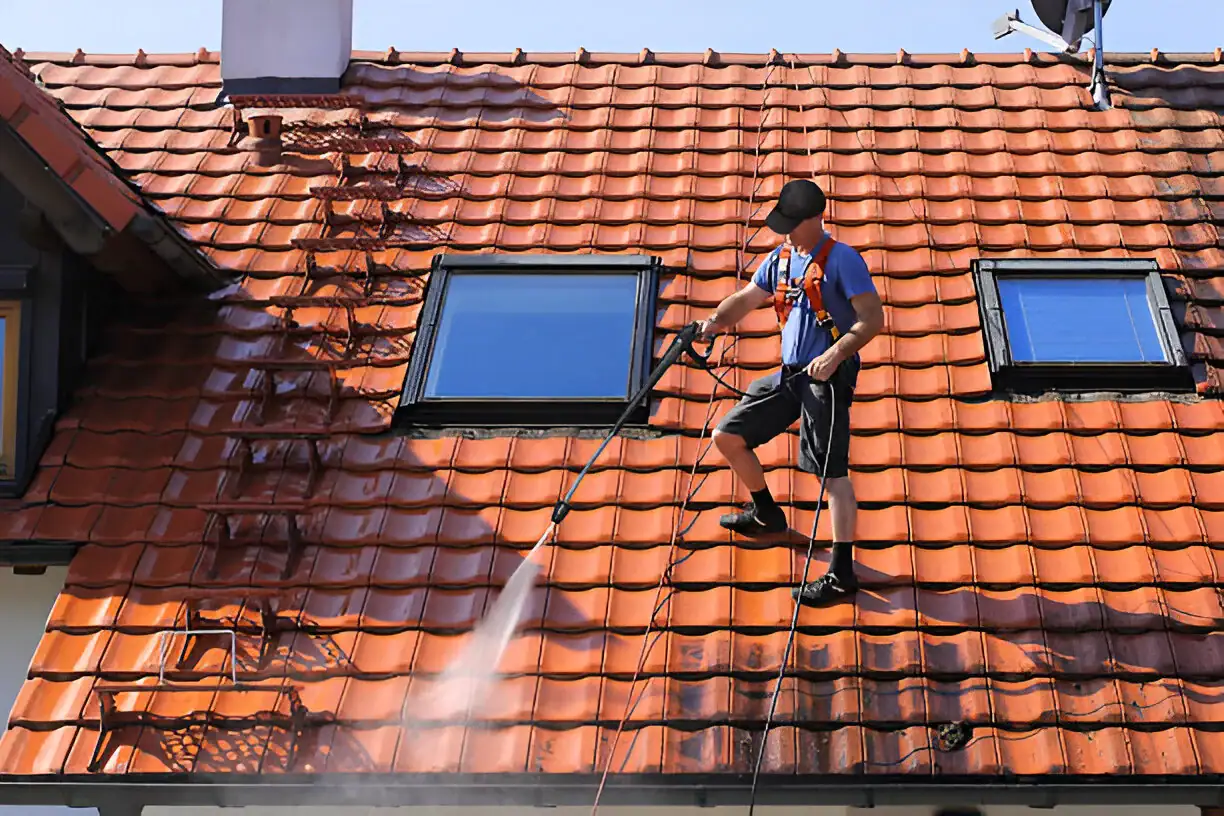
- Thorough cleaning: The team uses eco-friendly cleaners and high-pressure water to wash away dirt, lichen and moss. This not only reveals any hidden damage, but also preps the surface for new paint.
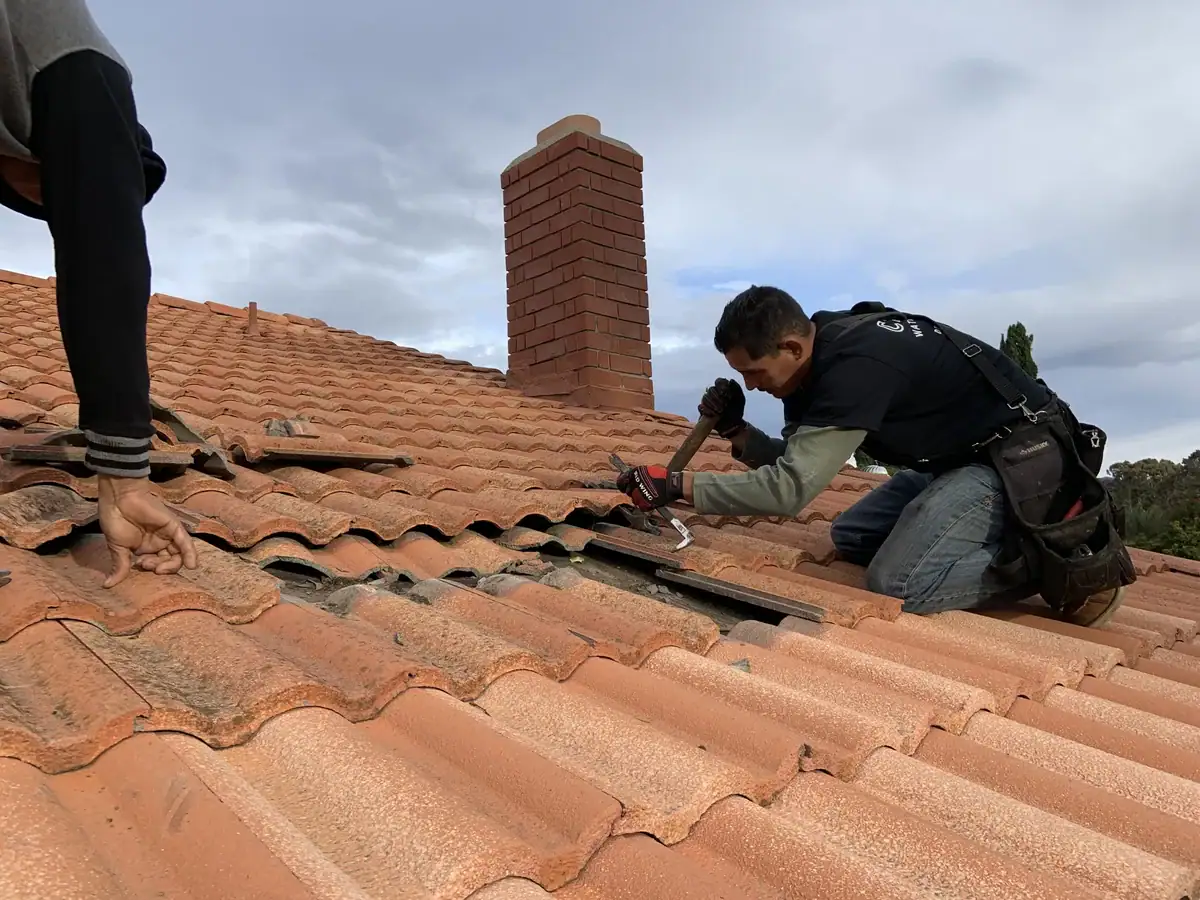
- Repair and re-bedding: Any cracked or broken tiles are replaced on the spot. Ridge capping tiles are removed and old mortar is scraped away, then replaced with fresh bedding mortar. This re-seals the roof’s structure.
- Repointing: The mortar along ridges and hips is repointed (re-mortared) to make the roof watertight again.
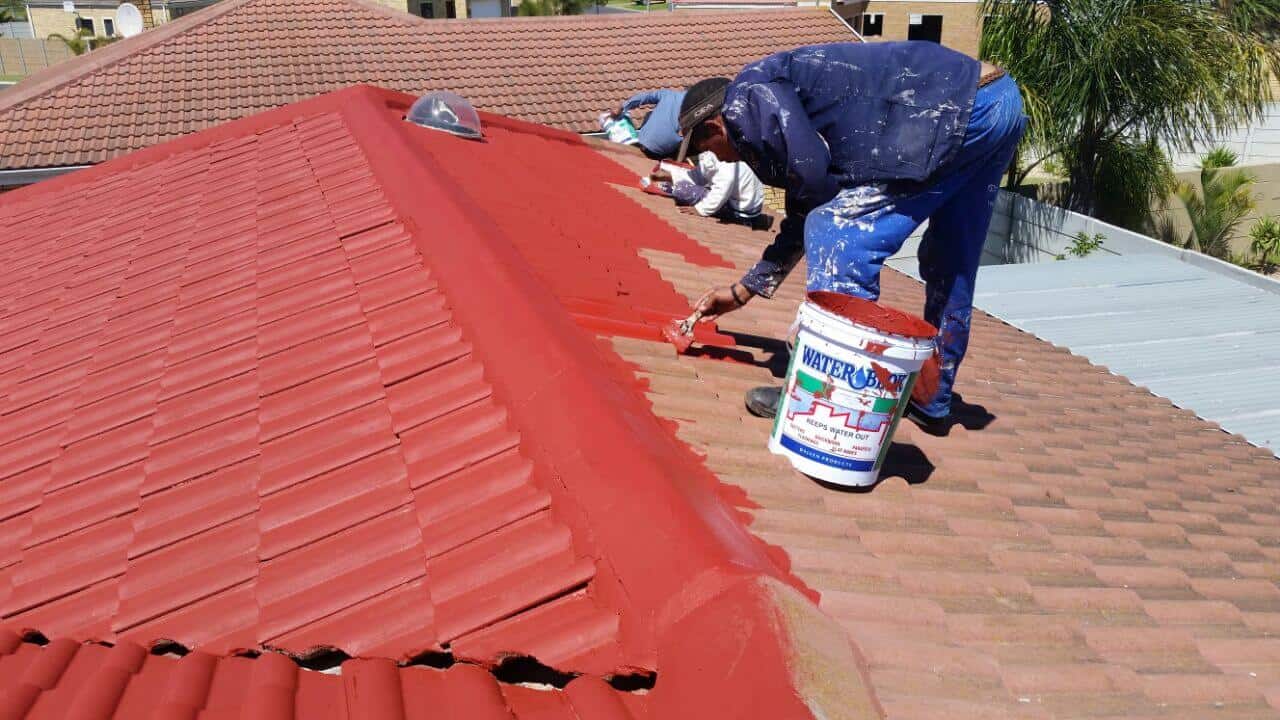
- Sealing and painting: Finally, a primer coat (sometimes a special terracotta glaze) is applied, followed by at least one topcoat of premium roof paint. This step restores the vibrant colour and adds a protective layer against UV and moisture.
A professional crew performing a terracotta roof restoration: first they pressure-clean the tiles to remove moss and debris, then re-bed and repoint any loose sections before sealing and repainting the roof. This thorough overhaul not only brightens the roof’s colour but dramatically extends its lifespan, keeping your home dry and stylish for years to come.
Key Benefits of Timely Restoration
Restoring your terracotta roof at the right time is a smart investment. Here’s what you gain:
- Extra lifespan: A quality roof restoration can add 10–15 years to the life of your roof. In other words, you delay or even avoid the expense of a full replacement.
- Watertight security: By fixing broken tiles and worn mortar now, you prevent leaks and wood rot later. It’s like patching a small hole in your sail before the next storm.
- Energy savings: Fresh coats of light-coloured roof paint (and modern cool-roof products) reflect more sunlight. Coupled with terracotta’s natural thermal mass, this can help trim your cooling bills in summer.
- Curb appeal and value: Let’s be honest – a newly restored roof looks gorgeous. It can boost your home’s street appeal and even resale value, making the investment well worthwhile.
- Peace of mind: Perhaps most importantly, you avoid the nagging “what if” of an unseen leak. Knowing your roof is solid brings real relief on stormy nights.
Choosing a Professional Restoration Service
Terracotta tile work requires skill and the right gear, so this isn’t a DIY weekend project. Look for a reputable local roofer with terracotta expertise. They should offer a thorough inspection and explain the scope of work before quoting.
For example, Top Notch Restorations provides specialised Roof Restorations Service in Parramatta, using quality paints and techniques suited to our climate. Always check credentials, warranties and reviews. A friendly chat with the contractor can also tell you if they really know their stuff – and if they gel with your vibe.
Conclusion
Your terracotta roof is more than pretty landscaping – it’s the crowning shield of your home. Heed the warning signs early (cracks, moss, leaks or a blanket of dust) and plan restoration well before a crisis. In Parramatta’s climate, that usually means aiming for spring or autumn when the weather plays nice.
A prompt restoration will renew your roof’s beauty and performance while saving you money in the long run. So don’t wait for rainwater to do the talking: give your roof the TLC it deserves, and it will pay you back in comfort and confidence.
Frequently Asked Questions
How often should a terracotta roof in Parramatta be restored?
Most terracotta roofs in Parramatta need restoration every 20 to 30 years, depending on weather exposure and maintenance. However, regular inspections every 1–2 years help catch problems early and might stretch the time between restorations.
Can harsh Parramatta weather damage terracotta roofs faster?
Yes. Parramatta’s hot summers, sudden storms, and occasional hail can accelerate wear on terracotta tiles. Intense sun fades tile coatings, while storms can loosen ridge capping and break tiles. Regular maintenance keeps your roof one step ahead of the weather.
What’s the difference between terracotta roof restoration and roof replacement?
Restoration fixes and refreshes your existing roof, including cleaning, repairing tiles, and resealing surfaces. Replacement means removing the entire roof and starting from scratch, which is much more expensive. Restoration is usually faster and more cost-effective if the structure is still sound.
Will a roof restoration make my home more energy efficient?
Definitely! Fresh coatings and sealants on terracotta tiles help reflect more sunlight and improve the roof’s waterproofing. This keeps your home cooler in summer and warmer in winter, helping to lower your energy bills over time.