Roof flashing is a critical component of your home’s roofing system. It helps direct water away from areas where the roof meets vertical surfaces, like chimneys, vents, and skylights, preventing leaks and water damage. In Winston Hills, where weather conditions can vary, maintaining the integrity of your roof flashing is especially important.
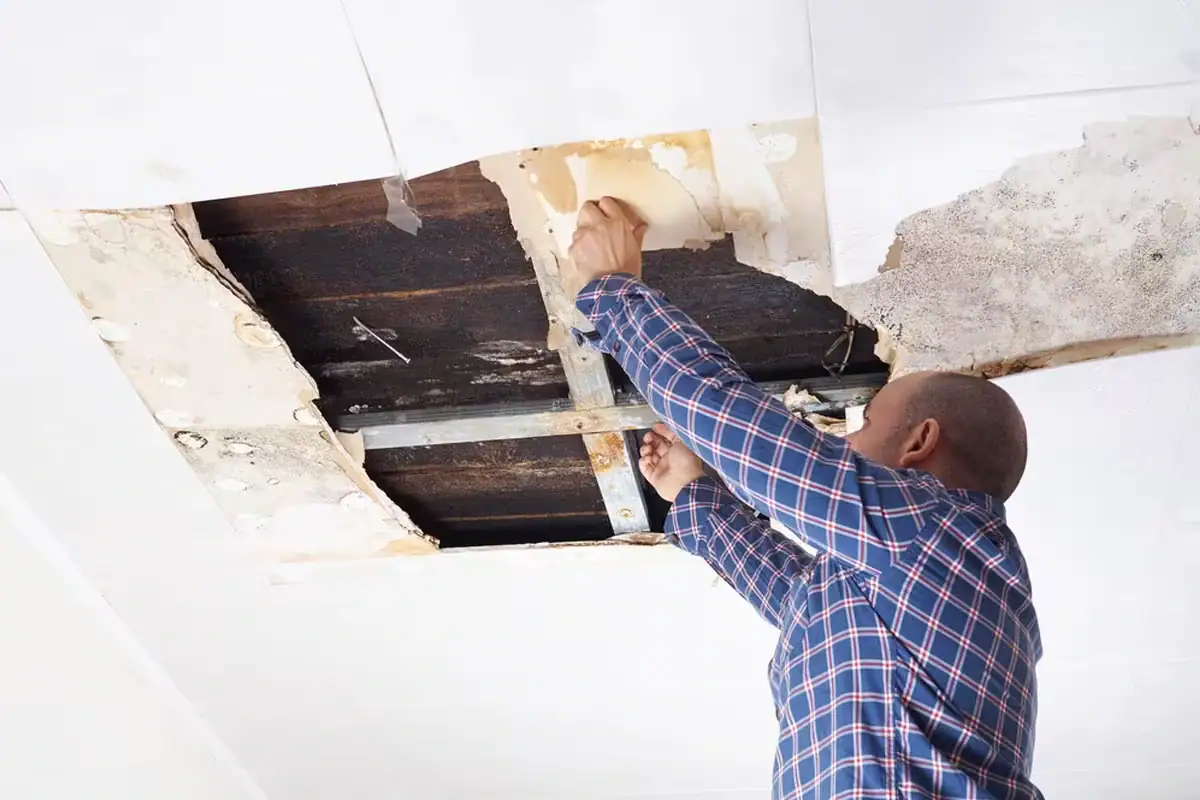
Without proper flashing, your roof is vulnerable to water infiltration, which can cause significant damage over time. Water leaks can lead to mold growth, wood rot, and structural issues, compromising the safety and comfort of your home. Regular inspection and maintenance of roof flashing can help prevent these problems and extend the lifespan of your roof.
Whether you’re dealing with minor leaks or more severe damage, understanding the importance of roof flashing and knowing how to address issues promptly can save you time, money, and stress. Let’s dive into the most common problems and how you can tackle them effectively.
Understanding Roof Flashing and Its Importance
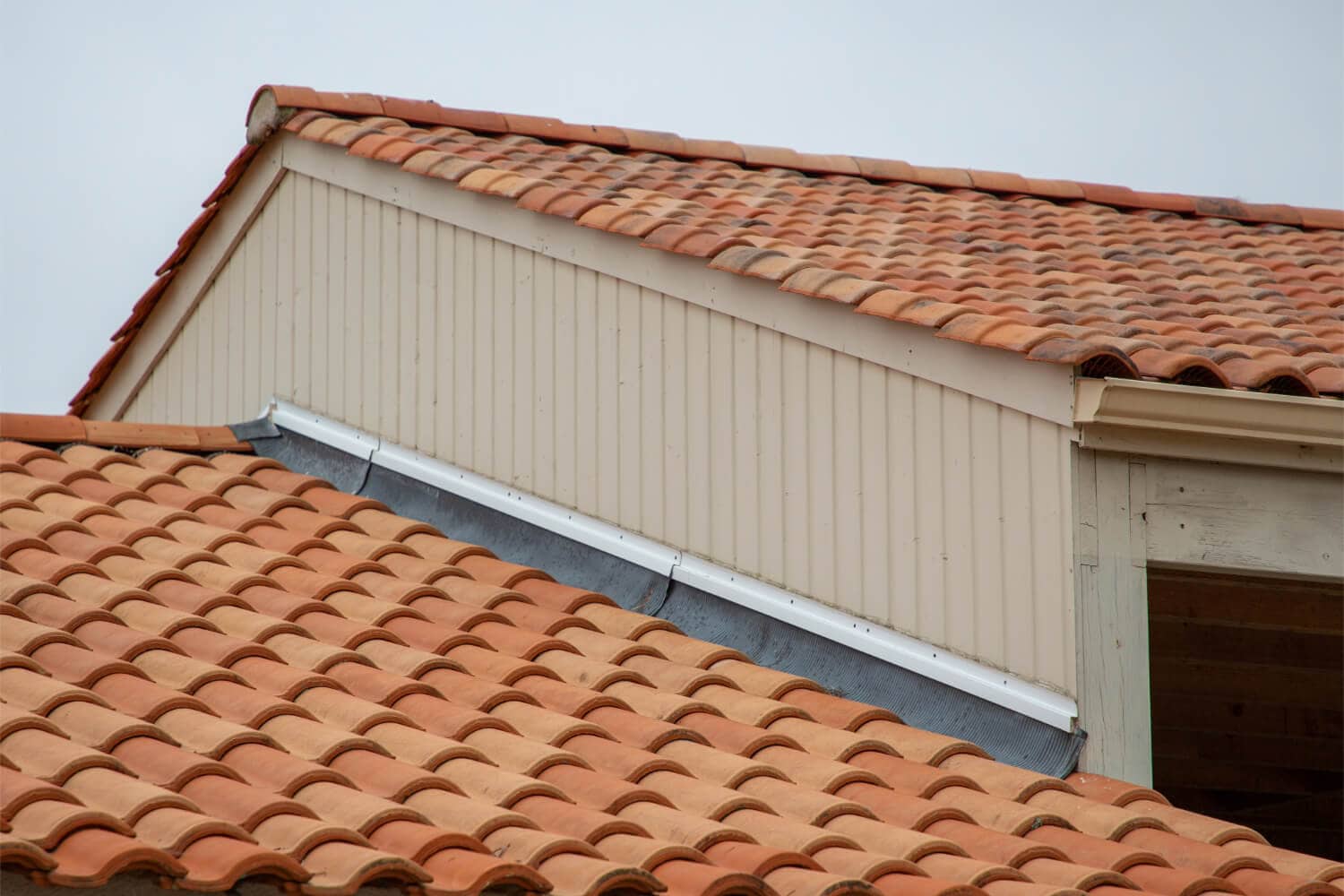
Roof flashing is a thin material, often made of metal, that roofers install to direct water away from critical areas of the roof. Flashing is placed around places where the roof meets vertical surfaces, including chimneys, skylights, and vents, to prevent water from seeping into your home. Without adequate flashing, these vulnerable areas can become pathways for water to infiltrate, leading to leaks and possible structural damage.
The primary purpose of roof flashing is to protect the structural integrity of your roof by effectively diverting water. This is particularly important in Winston Hills, where weather conditions can range from heavy rain to intense sun. Proper installation and maintenance of roof flashing ensure that water flows off the roof and into the gutters, reducing the risk of leaks and water damage.
Additionally, good roof flashing enhances the efficiency of other roofing components like shingles and tiles. By ensuring that water is directed away from these elements, flashing helps prolong their lifespan and maintain the overall health of your roofing system. Understanding the importance of roof flashing can help homeowners prioritize regular inspections and timely repairs, keeping their homes safe and dry.
Common Roof Flashing Issues in Winston Hills
Homeowners in Winston Hills often encounter several common problems with their roof flashing. These issues can compromise the effectiveness of the flashing and lead to water damage if not addressed promptly. Here are some typical roof flashing issues:
- Rust and Corrosion: Metal flashing can rust or corrode over time, especially in areas exposed to constant moisture. Rust weakens the flashing, causing it to break or crumble, which can result in leaks.
- Cracked or Damaged Flashing: Physical damage from storms, falling debris, or even aging can lead to cracks or breaks in the flashing. Damaged flashing can’t properly channel water away, leading to potential leaks.
- Improper Installation: Flashing that isn’t installed correctly can be ineffective from the start. Common installation errors include using the wrong type of flashing, not securing it properly, or failing to create a tight seal with roofing materials.
- Loose Flashing: Over time, flashing can become loose due to weather conditions or wear and tear. Loose flashing can easily allow water to seep underneath, causing leaks and other issues.
- Fungal Growth and Debris Buildup: Moss, algae, and debris can accumulate around flashing, especially in areas that stay damp. This buildup can obstruct water flow and cause moisture to gather, leading to potential damage.
DIY Steps to Fix Minor Roof Flashing Problems
If you’ve identified minor issues with your roof flashing, you might be able to address them yourself with some basic tools and materials. Here are some steps to help you fix minor roof flashing problems:
- Gather Materials: You will need a ladder, gloves, a putty knife, roofing cement, a wire brush, and replacement flashing (if needed). Make sure you have all safety equipment before starting.
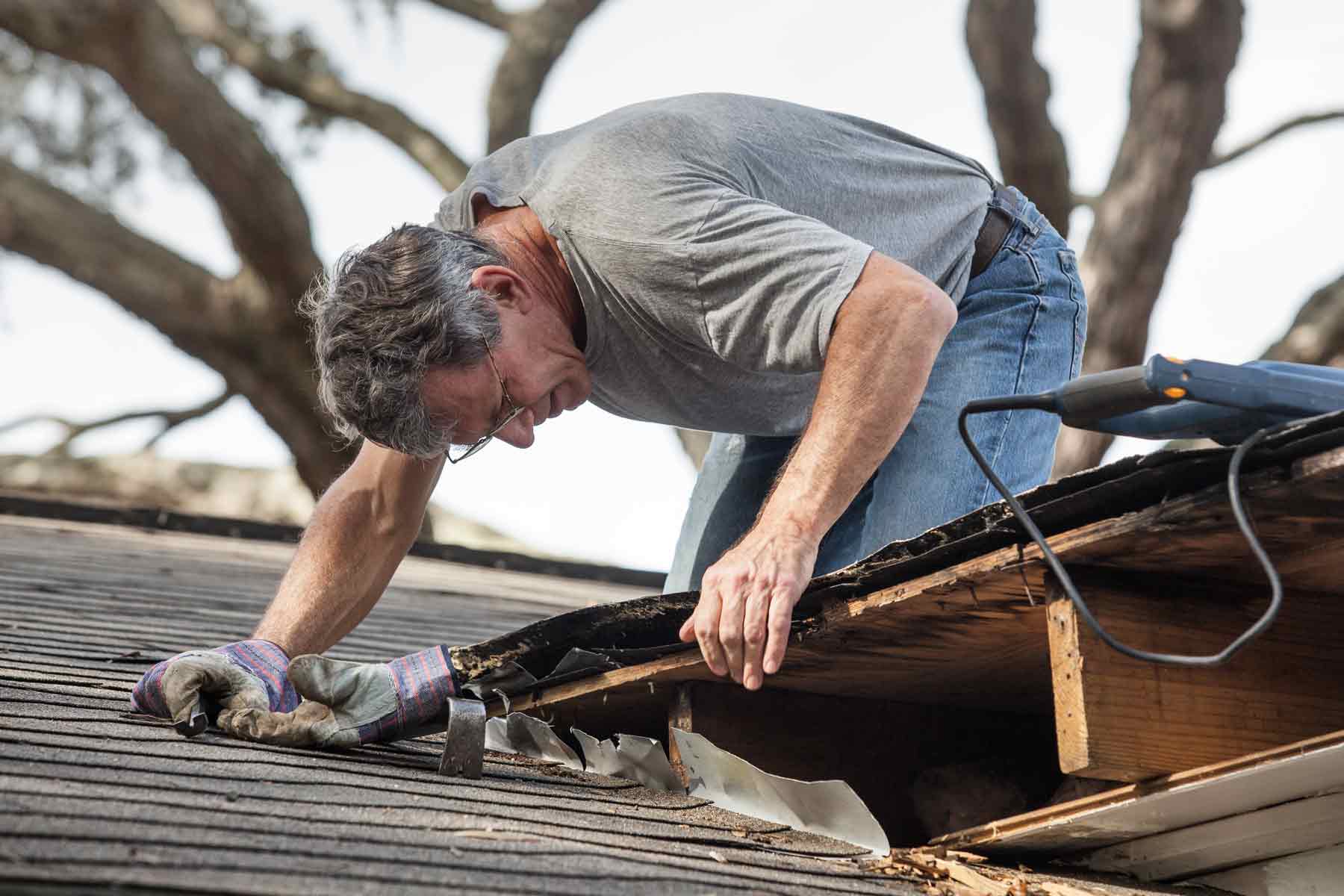
- Inspect the Area: Carefully climb onto your roof and inspect the flashing for signs of damage, such as rust, cracks, or loose sections. Pay particular attention to areas around chimneys, vents, and skylights.
- Clean the Surface: Use a wire brush to remove any rust, debris, or old roofing cement from the damaged area. This will help the new materials adhere properly.
- Apply Roofing Cement: For minor cracks or small holes in the flashing, apply roofing cement using a putty knife. Spread it evenly over the damaged area, ensuring it covers the entire crack or hole.
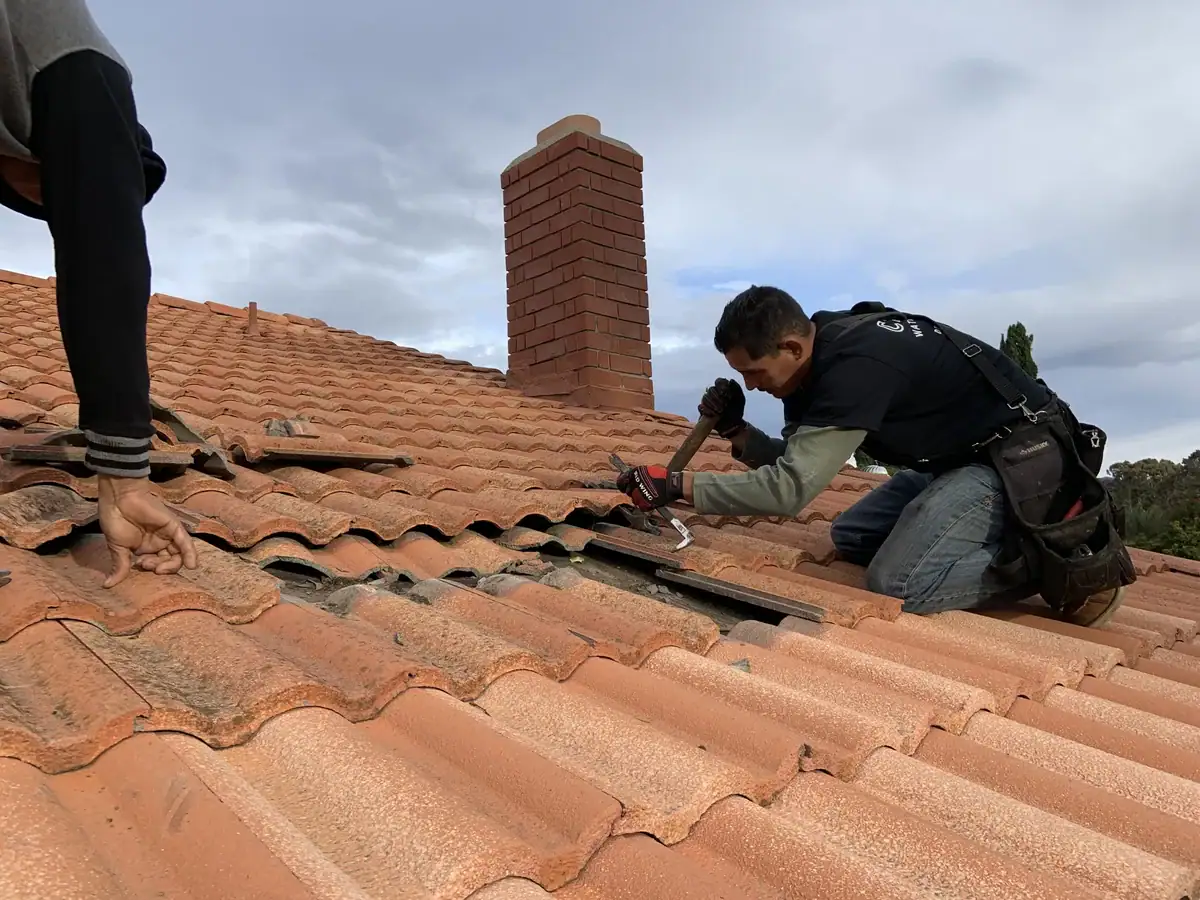
- Replace Damaged Flashing: If a section of the flashing is too damaged to repair, carefully remove it and replace it with a new piece. Cut the new flashing to size and secure it in place with roofing nails or screws. Apply roofing cement around the edges to create a watertight seal.
- Inspect Your Work: Once all repairs are made, inspect the flashing again to ensure everything is secure and sealed properly. Check for any missed areas and reapply roofing cement if necessary.
When to Call a Professional for Roof Flashing Repairs
While some roof flashing problems can be fixed with a DIY approach, certain situations require the expertise of a professional roofer. Here are some scenarios where calling a professional is the best choice:
- Extensive Damage: If the flashing is severely corroded, cracked, or has large sections missing, a professional roofer can provide the necessary repairs or replacements to ensure the integrity of your roof.
- Complex Installation Areas: Flashing around chimneys, complex roof lines, or skylights often requires specialized knowledge and tools. A professional can handle these areas with precision, ensuring a proper seal and effective water diversion.
- Leaks and Water Damage: If you’ve noticed water leaks inside your home or significant water damage in the attic or on walls, it’s crucial to call a professional. They have the expertise to identify the source of the leak and fix it effectively, preventing further damage.
- Safety Concerns: Roof work can be dangerous, especially for those without proper training or equipment. Professionals are equipped to handle repairs safely, minimizing the risk of accidents or injuries.
- Regular Maintenance: Scheduling regular roof inspections and maintenance with a professional can help identify potential issues before they become major problems. This proactive approach ensures your roof remains in good condition and extends its lifespan.
Conclusion
Maintaining the roof flashing on your Winston Hills home is crucial for preventing water damage and ensuring the long-term health of your roofing system. Recognizing common flashing issues and knowing how to address minor problems through DIY repairs can save you from more extensive damage. However, it’s important to know when to seek professional help, especially for complex or severe issues.
For expert roof flashing repairs and maintenance, contact Topnotch Restorations. Our experienced team is ready to help ensure your roof remains in top condition. Reach out to us today to schedule a consultation and keep your home protected!